Common Lift Planning Mistakes (And How to Avoid Them)
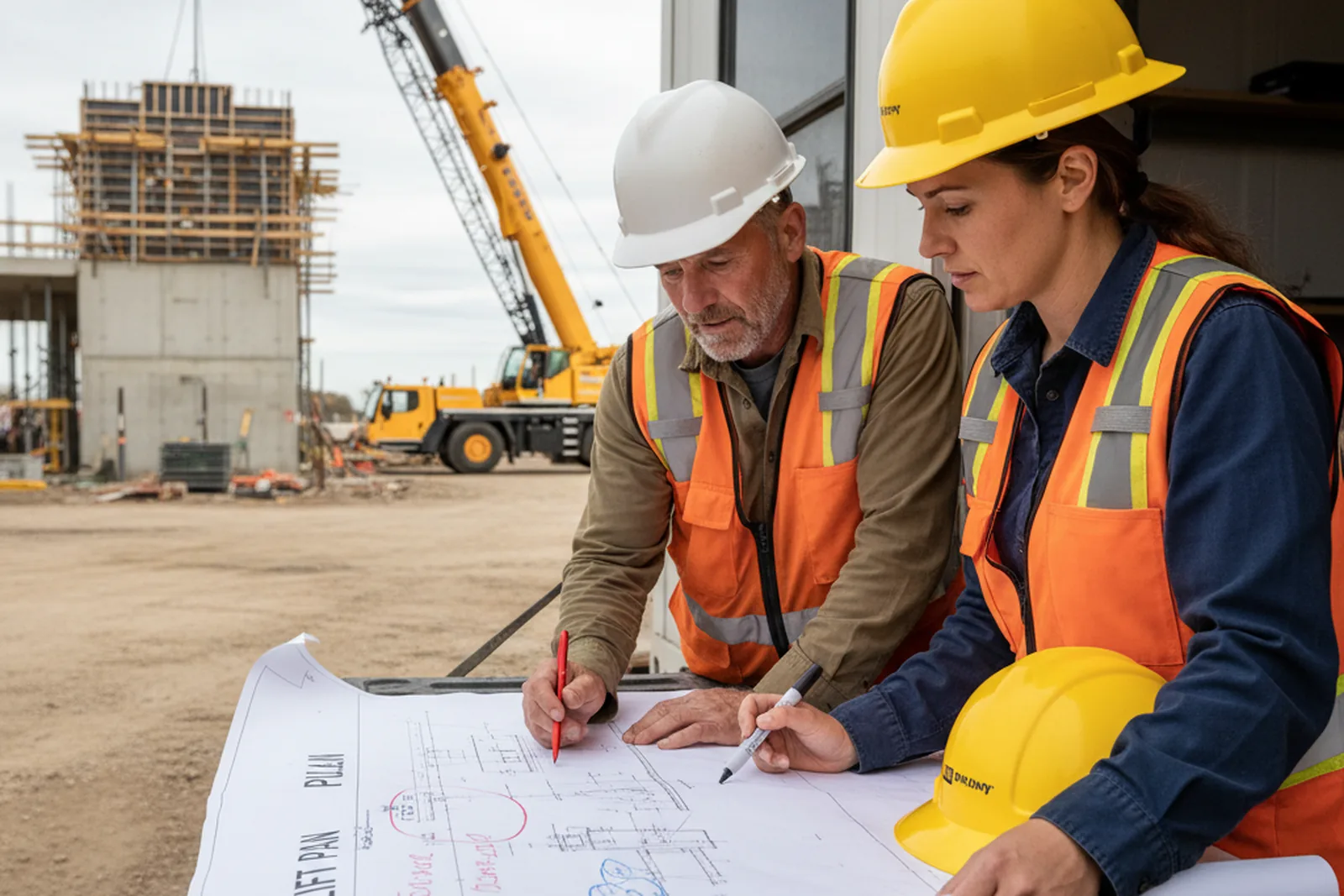
After reviewing over 1,000 lift plans across 35 years in construction, certain mistakes appear repeatedly. This guide examines the most common lift planning errors and how to avoid them.
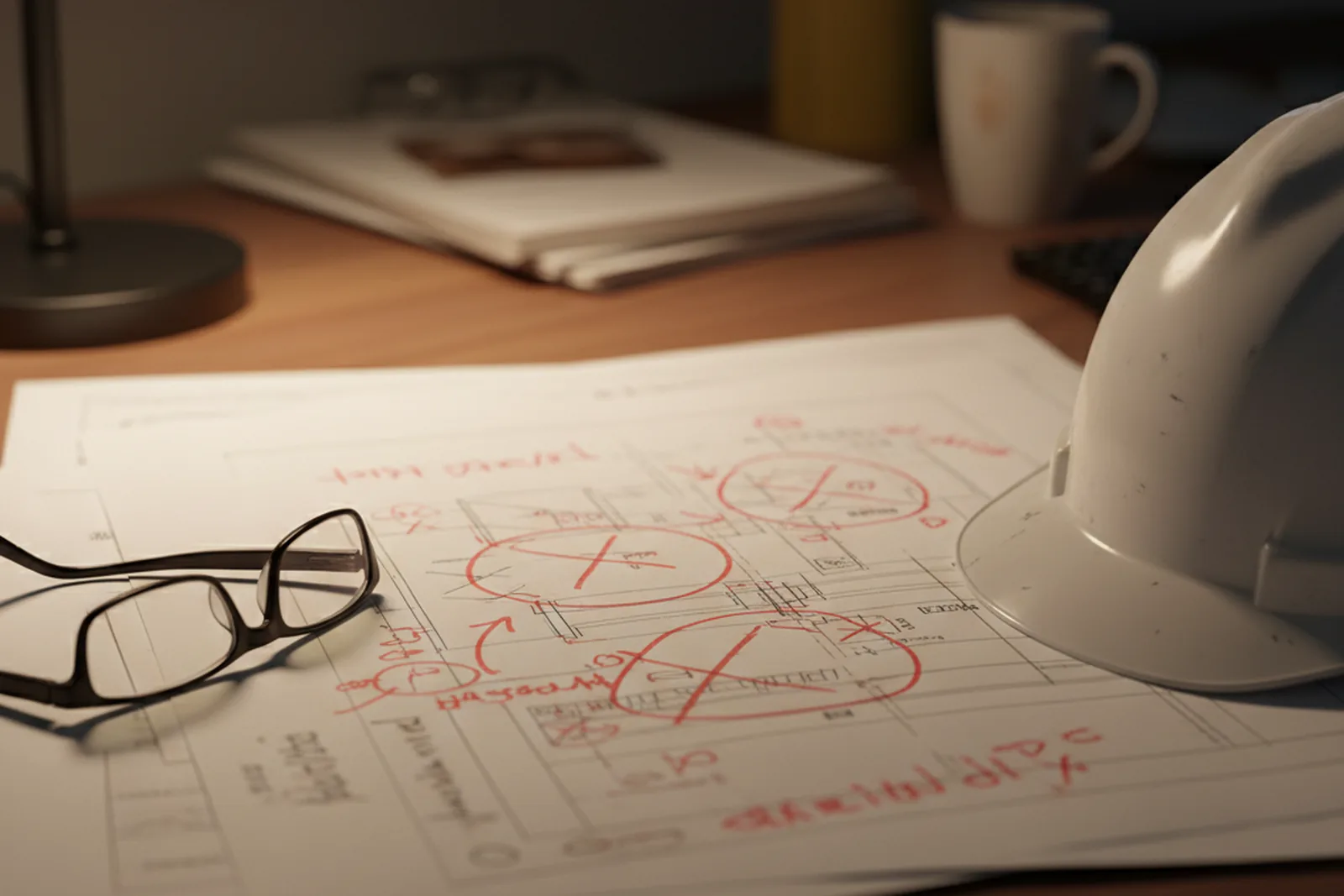
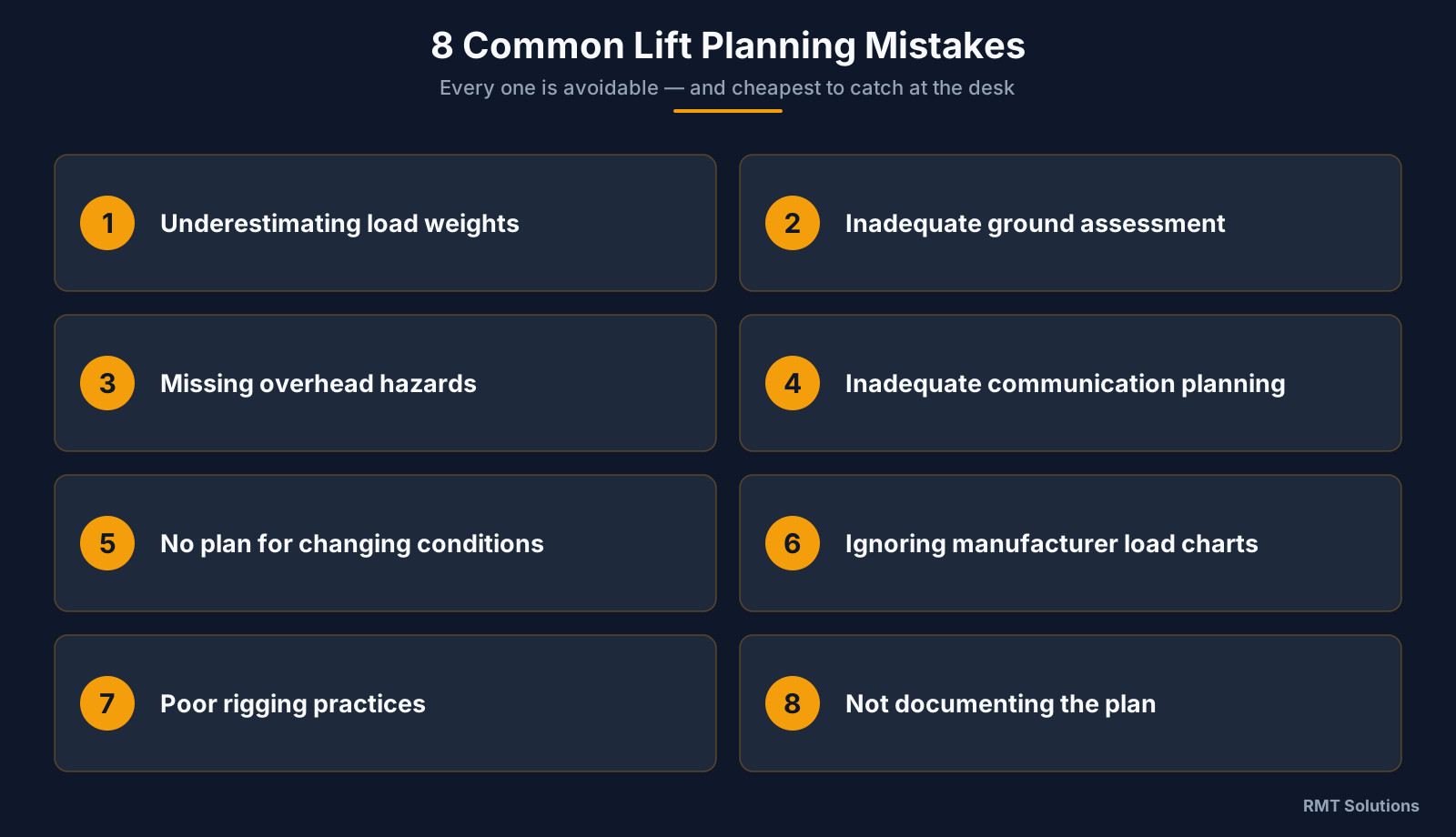
Mistake 1: Underestimating Load Weights
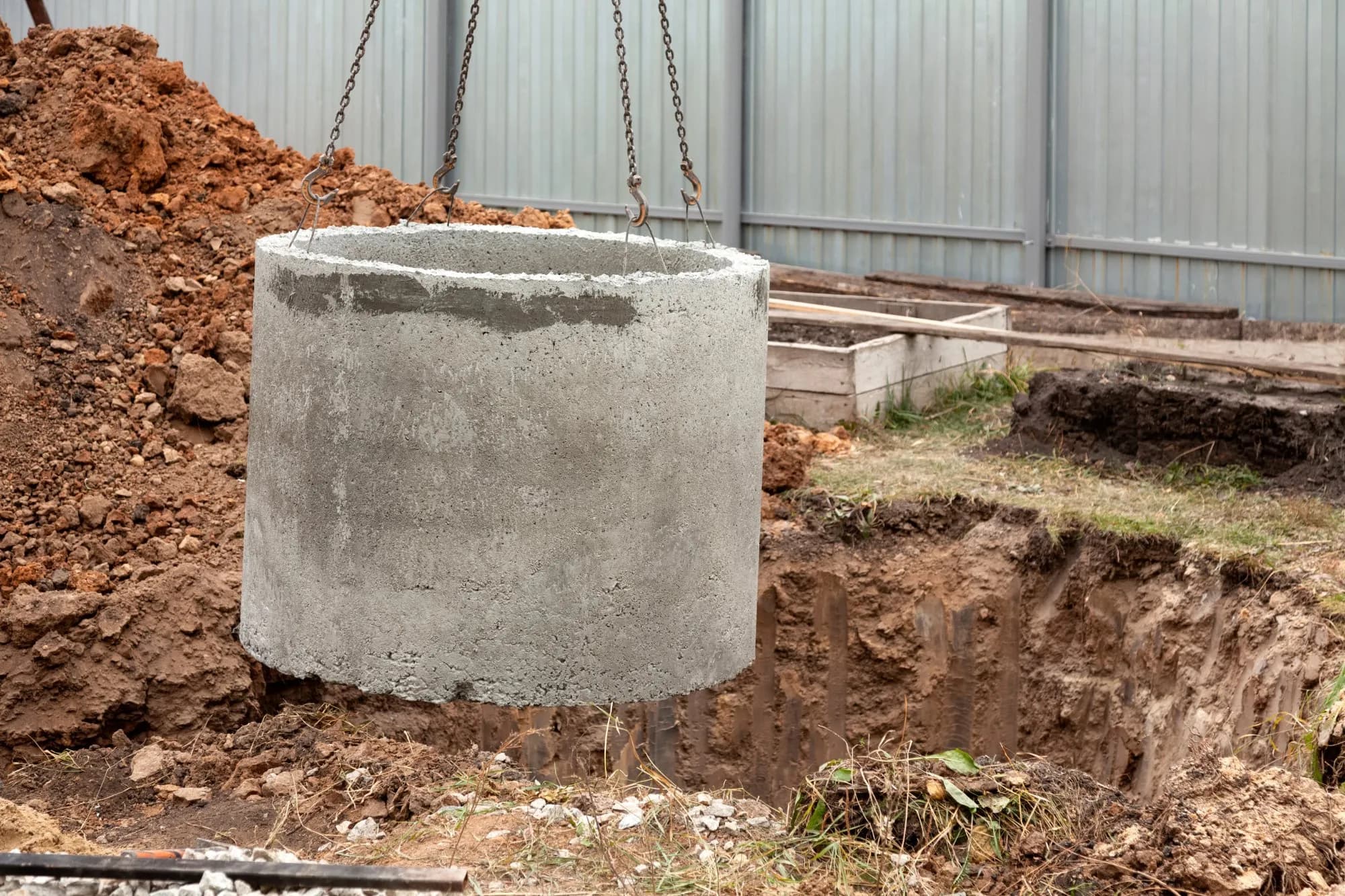
The most fundamental error is not knowing what you're actually lifting. A 900mm diameter concrete pipe 3 meters long weighs approximately 2.5 tonnes—what appears manageable can quickly exceed equipment capacity.
How to Avoid It
- Always verify weights from manufacturer data sheets
- Include weight of all lifting accessories
- Apply realistic contingency (typically 10-15%)
- Document weight sources with the lift plan
Mistake 2: Inadequate Ground Assessment
Ground conditions beneath lifting equipment are critical to stability, yet proper assessment is frequently overlooked. Visual assessment alone is insufficient.
How to Avoid It
- Identify soil type and condition properly
- Calculate actual bearing pressures
- Use ground mats sized appropriately
- Maintain safe distances from excavations
Mistake 3: Failing to Identify Overhead Hazards
Overhead power lines and structures create exclusion zones. Failure to identify these has caused numerous fatalities in UK construction.
How to Avoid It
- Walk the entire site looking specifically for overhead lines
- Apply HSE Guidance Note GS6 clearance distances
- Implement physical exclusion zone barriers
- Consider line diversion for major projects
Mistake 4: Inadequate Communication Planning
Even perfectly planned lifts fail without effective communication between all involved parties.
How to Avoid It
- Brief all personnel before every complex lift
- Designate one person to communicate with operator
- Use standardized BS 7121 hand signals
- Test communications before lifting begins
Mistake 5: No Plan for Changing Conditions
Lift plans based on ideal conditions often fail to account for reality. Specify maximum wind speeds, define decision points, and build flexibility into plans.
Mistake 6: Ignoring Manufacturer Instructions
Equipment manufacturers provide load charts for good reason, yet these are frequently ignored. Always consult manufacturer data and stay within specified limits.
Mistake 7: Poor Rigging Practices
How loads are attached to lifting equipment is critical. Plan rigging in detail, understand sling angle effects, and inspect all rigging before use.
Mistake 8: Not Documenting the Plan
Even when operations are properly planned, failing to document creates compliance and safety issues. Document all non-routine lifts in writing.
Conclusion: Learning from Mistakes
Every mistake discussed here has caused real accidents, delays, and regulatory action in UK construction. The good news is every one is avoidable through proper training, careful planning, and adherence to best practices.
Key themes: Competence matters. Documentation is essential. Details matter. For contractors serious about lifting safety, learning from others' mistakes is far less painful than repeating them.
Avoid These Mistakes
RMT Solutions provides LOLER-compliant lift planning from a CPCS Appointed Person with 35 years of experience. We offer professional lift plan writing and independent lift plan checking to ensure your operations are safe and compliant.
Contact Us TodayRicky Marsh
CPCS A61 Appointed Person | NEBOSH National Diploma | CertIOSH | MIIRSM | TIFSM
With 35 years of construction industry experience, Ricky provides expert lift planning and compliance services to contractors across the UK. Specializing in LOLER compliant lift plans, tower crane contracts, and steel erection planning.
Need a lift plan written? Plans from £200, 24-48h turnaround
07803 8080933 fields, 30 seconds. We reply within 4 working hours.