Excavator Lift Plans: A Complete Guide for UK Contractors

Excavators are primarily designed for digging, but they're frequently used for lifting operations on UK construction sites. While this versatility makes them invaluable, it also creates legal obligations under LOLER 1998.
Need a site-specific excavator lift plan written for you and signed off by a CPCS A61 Appointed Person? Fixed fee from £200 + VAT, a quote within 4 working hours, and the plan delivered in 24–48 hours.
Get an excavator lift plan — from £200 + VATWhen Do You Need a Lift Plan for Excavator Operations?
Under LOLER 1998, any lifting operation must be properly planned by a competent person. For excavators, this means you need a formal lift plan whenever the machine is used to lift and move loads rather than just digging. For the regulatory side — whether an excavator needs a LOLER thorough examination and what it must have fitted to lift — see our guide to lifting with excavators.
The key distinction is simple: if the excavator bucket is replaced with lifting equipment (chains, slings, shackles) or if you're using the bucket itself to lift rather than dig, you're conducting a lifting operation that requires planning under LOLER.
Common Excavator Lifting Operations
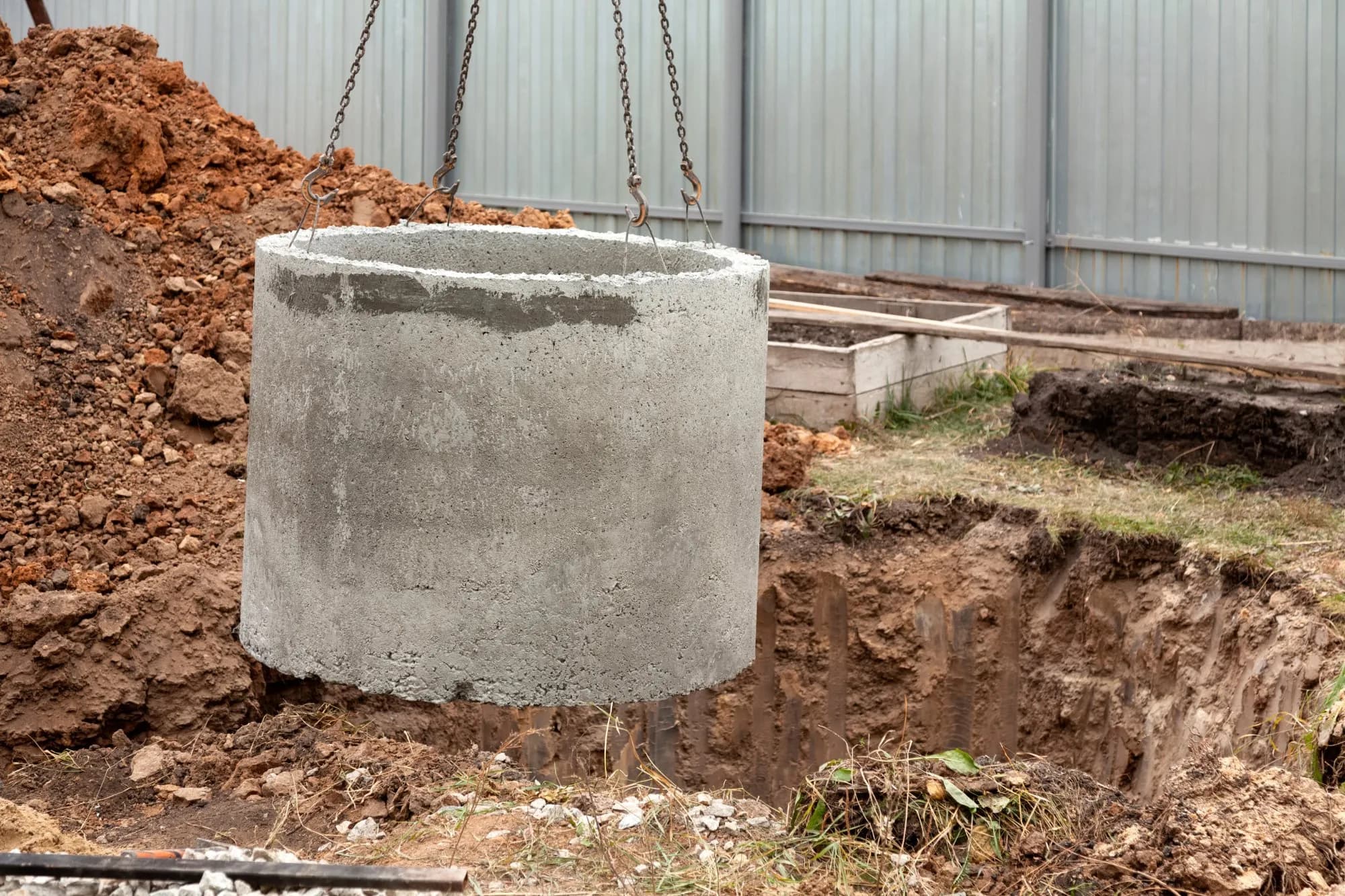
- Drainage and utilities work - Lifting concrete pipes, manholes, and precast chambers
- Groundworks - Moving precast pads, kerb stones, and road gullies
- General construction - Lifting materials to elevated areas and positioning steelwork
- Demolition support - Controlled lifting of materials and equipment
Legal Requirements for Excavator Lifting
LOLER Regulation 8 requires that every lifting operation must be properly planned by a competent person, appropriately supervised, and carried out safely. For excavator lifting, this typically means engaging a CPCS Appointed Person.
What Must an Excavator Lift Plan Include?
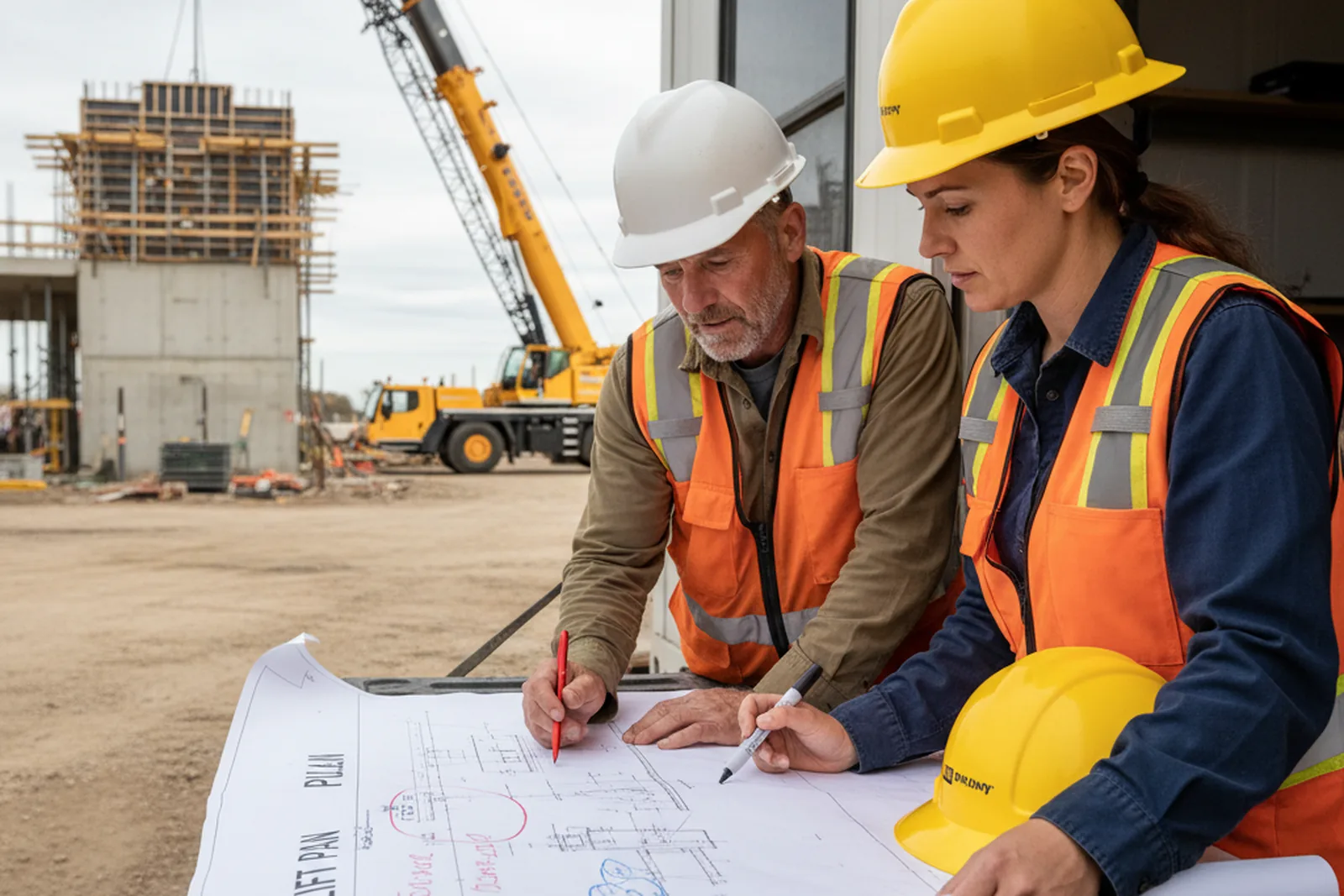
A compliant excavator lift plan documents the safe system of work including:
- Excavator details and lifting capacity at various radii
- Specification of lifting accessories (chains, slings, shackles)
- Load description, weight, and centre of gravity
- Ground bearing capacity assessment
- Identification of overhead hazards and underground services
- Step-by-step lifting sequence
- Risk assessment and control measures
Understanding Excavator Lifting Capacity
Unlike mobile cranes with published lifting capacities, excavators have limited manufacturer guidance for lifting operations. Safe lifting capacity is typically 50-75% of the maximum theoretical capacity to account for dynamic effects, ground conditions, and wear.
Reading capacity correctly relies on the machine's safety devices. See our reference on excavator RCI requirements (RCI vs RCL) and our plain-English guide to excavator safety devices for what the law requires and what to check before a lift.
Ground Conditions for Excavator Lifting
Ground bearing capacity is critical for safe operations. An excavator under load applies significantly more pressure to the ground than during normal digging. The Appointed Person must assess soil type, proximity to excavations, and requirements for ground mats.
Supervision and Communication
Most excavator lifting operations require a trained slinger signaller who attaches the load, directs the operation using standard hand signals, and supervises safe execution.
When to Engage an Appointed Person
While simple excavator lifting operations might be planned by experienced site staff, engaging a CPCS Appointed Person provides legal compliance assurance, technical expertise, risk management, and professional documentation suitable for HSE inspection.
For straightforward lifts you can plan yourself, download our free excavator lift plan template and risk assessment — built around the CPA/SFPSG CIG 0801 guidance and ready to adapt for your site.
Need an Excavator Lift Plan?
RMT Solutions provides LOLER-compliant excavator lift plans from a CPCS Appointed Person with 35 years of construction industry experience.
Contact Us TodayRicky Marsh
CPCS A61 Appointed Person | NEBOSH National Diploma | CertIOSH | MIIRSM | TIFSM
With 35 years of construction industry experience, Ricky provides expert lift planning and compliance services to contractors across the UK. Specializing in LOLER compliant lift plans, tower crane contracts, and steel erection planning.
Need a lift plan written? Plans from £200, 24-48h turnaround
07803 8080933 fields, 30 seconds. We reply within 4 working hours.