Mobile Crane vs Tower Crane: When to Use Each (UK Guide)
Choosing between a mobile crane and a tower crane is one of the most important decisions in construction planning. Get it wrong and you'll face delays, increased costs, and potential safety issues. Get it right and your project runs smoothly. Here's everything you need to know.
The Fundamental Difference
Mobile Cranes
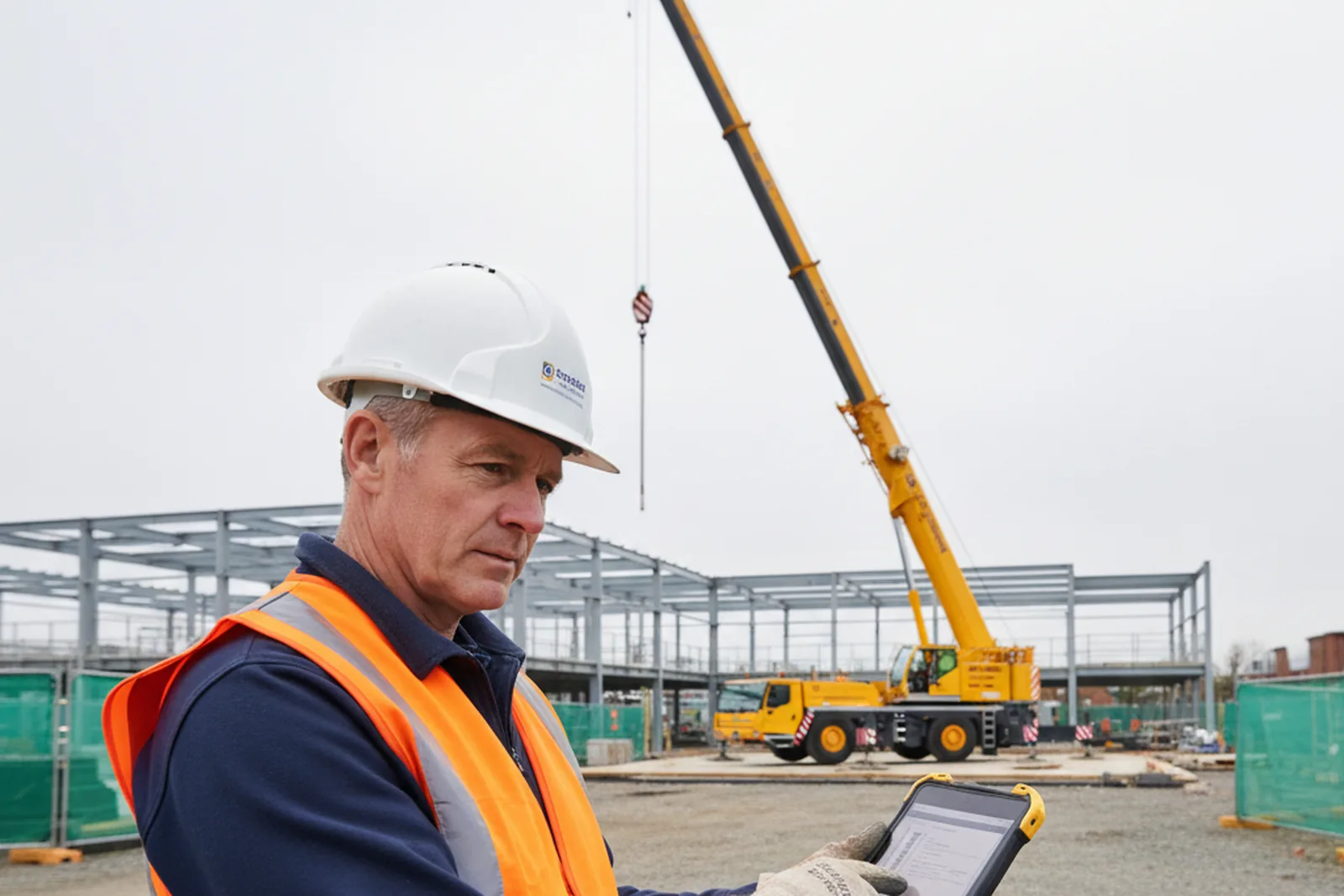
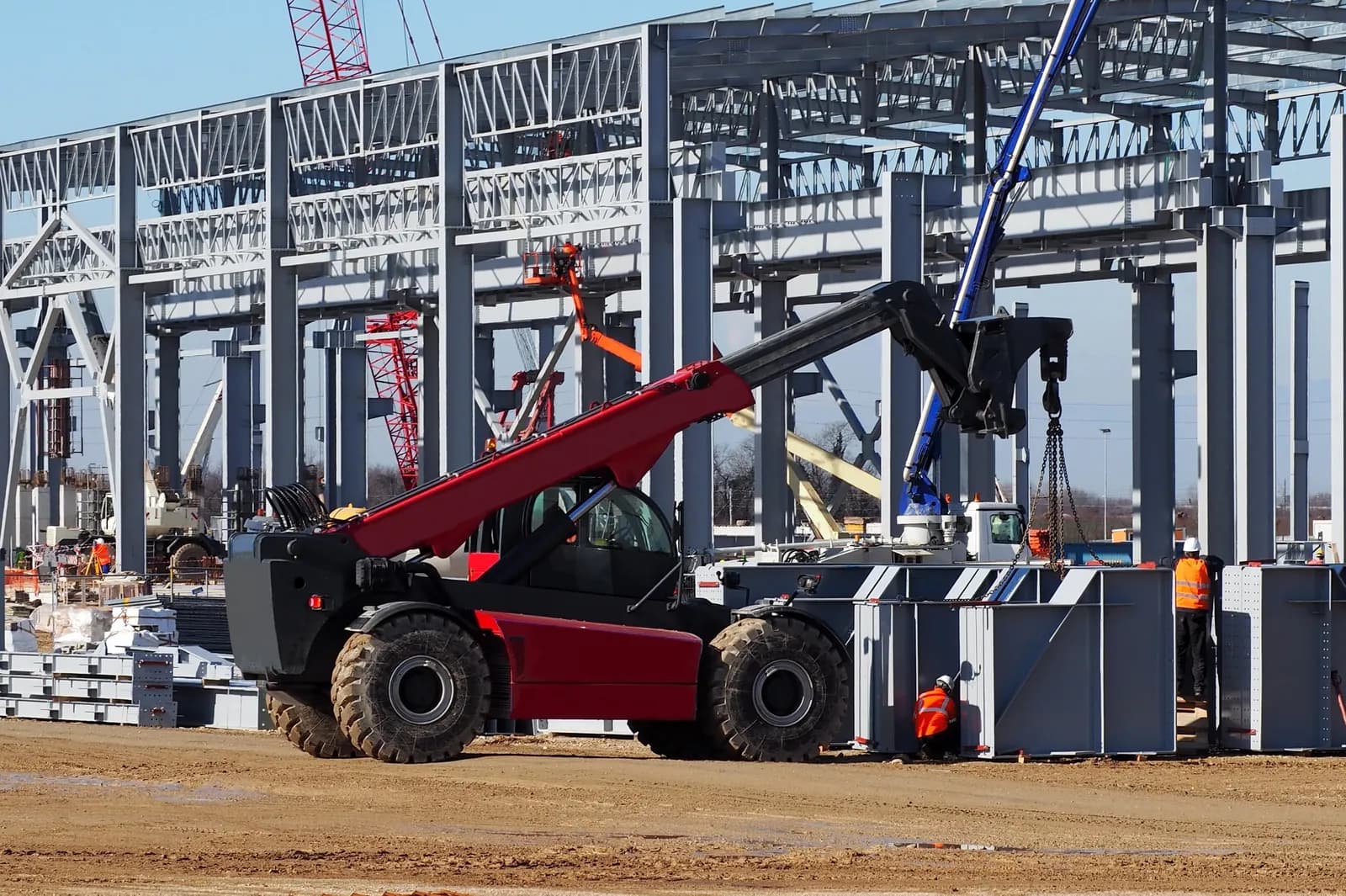
Mobile cranes are exactly what they sound like—cranes mounted on wheeled chassis that can travel between sites or positions. They include:
- All-terrain cranes (ATC)
- Rough-terrain cranes (RTC)
- Truck-mounted cranes
- Crawler cranes (track-mounted)
They arrive on site, set up, complete the lifts, and leave—usually all in the same day or over a few days.
Tower Cranes
Tower cranes are fixed in position for the duration of a project. They consist of:
- A concrete foundation or base
- A vertical mast (tower)
- A horizontal jib (boom)
- Counterweights for stability
They're installed for weeks or months, positioned to serve the entire site, and require specialist installation and dismantling.
When to Use a Mobile Crane
Best for:
1. Short-Duration Projects
If your lifting requirement is a day or two—such as a single steel frame erection, precast installation, or equipment placement—mobile cranes are perfect. You pay for the hours you use, not ongoing rental.
2. Single or Few Heavy Lifts
Mobile cranes excel at heavy-capacity lifts. Modern all-terrain cranes can lift hundreds of tonnes. If you need to place one heavy piece of equipment or a few large structural elements, mobile is usually the answer.
3. Variable Working Positions
Mobile cranes can relocate around the site. If you need to lift from different positions—say, placing equipment around the perimeter of a building—the crane can move between setups.
4. Sites with Good Access
If you have clear access routes, decent ground conditions, and space for crane setup, mobile cranes work brilliantly. They can reach over obstacles and work from positions outside the main construction area.
5. Budget-Conscious Projects
For short-term needs, mobile crane hire is more economical. You avoid the installation costs, foundation works, and long-term rental fees of tower cranes.
Not ideal when:
- You need continuous lifting operations over weeks/months
- Working in very tight spaces with no room for crane setup
- Ground conditions are poor (without expensive ground preparation)
- There's no access route for the crane to reach site
- Overhead power lines restrict crane movements
When to Use a Tower Crane
Best for:
1. Long-Duration Projects
Multi-storey buildings, large residential developments, and major commercial projects spanning months benefit enormously from tower cranes. Despite the high installation cost, the daily rental rate is relatively low, making them economical over time.
2. High-Frequency Lifting
If you're lifting materials daily—concrete buckets, rebar cages, formwork, bricks, blocks—a tower crane becomes essential. It's positioned to serve the entire site and can operate continuously.
3. High-Rise Construction
Tower cranes are designed for vertical building work. They can "climb" as the building rises, maintaining lifting capacity at height. Mobile cranes become less efficient and more costly as buildings get taller.
4. Restricted Site Access
In city center sites with no room for mobile crane setup, tower cranes win. They require a relatively small footprint and can be installed within the building envelope or adjacent to it.
5. Multiple Subcontractors
Tower cranes serve the entire site. Different trades can use them throughout the project—groundwork teams for piling rigs, frame contractors for steel or concrete, MEP contractors for plant—making them versatile site assets.
Not ideal when:
- Project duration is less than 4-6 weeks
- Only a few heavy lifts are required
- Site is too small to justify the installation cost
- You need to lift very heavy single items beyond tower crane capacity
Planning and Compliance
Mobile Crane Requirements
- Detailed lift plan for each operation
- Site visit to assess ground conditions
- Ground bearing capacity calculations
- Traffic management plan if working on/near roads
- Method statement for the lift
- Coordination with other site activities
Tower Crane Requirements
- Foundation design and approval
- Installation and dismantling method statements
- Appointed Person contract for project duration
- 8-weekly thorough examinations (LOLER)
- Review of all subcontractor lift plans
- Lift coordination procedures
- Regular audits and inspections
Making Your Decision
Use this decision tree:
- Project duration less than 6 weeks? Likely mobile crane
- Project duration more than 12 weeks? Likely tower crane
- Between 6-12 weeks? Depends on lift frequency and site access
- Very heavy single lifts? Likely mobile crane
- Continuous daily lifting? Likely tower crane
- Restricted site access? Likely tower crane
- Good access and space? Mobile crane viable
How RMT Solutions Can Help
Choosing the right crane is critical. We provide:
- Crane Selection Advice: Independent recommendations based on your project
- Cost-Benefit Analysis: Compare options to find the most economical solution
- Mobile Crane Lift Plans: Detailed plans for mobile crane operations
- Tower Crane Contracts: Full Appointed Person support for tower crane projects
- Hybrid Solutions: Planning for projects using both types
- Free Mobile Crane Lift Plan Template: A BS 7121-aligned starting point for routine operations
Need Help Choosing?
Get expert advice on crane selection for your project. We'll review your requirements and recommend the most suitable and cost-effective solution.
Request AdviceRicky Marsh
CPCS A61 Appointed Person | NEBOSH National Diploma | CertIOSH | MIIRSM | TIFSM
With 35 years of construction industry experience, Ricky provides expert lift planning and compliance services to contractors across the UK. Specializing in LOLER compliant lift plans, tower crane contracts, and steel erection planning.
Need a lift plan written? Plans from £200, 24-48h turnaround
07803 8080933 fields, 30 seconds. We reply within 4 working hours.