When Do You Need a Lift Plan? Free Flowchart (PDF)
One of the most common questions I get asked is: "Do I really need a lift plan for this?" The short answer is: yes, LOLER requires ALL lifting operations to be properly planned. But the level of planning detail varies depending on the complexity of the operation. If you are not sure what the document itself contains, start with our guide to what a lift plan is.
FREE PDF · A4 · NO SIGN-UP
The decision flowchart on one printable page
Every question on this page as a single A4 flowchart — the LOLER Reg. 8 starting point, the ten BS 7121-1 complex-lift triggers, and the basic / standard / complex outcome. Print it and pin it up in the site cabin.
Want the answer now? The same flowchart is on this site as a lift plan decision tool — three questions, and it tells you whether yours is a basic, standard or complex lift and what each one requires. It takes about a minute and there is no sign-up.
Short on time? If the lift is on the programme and you need the paperwork to stand up to a principal contractor, we write it for you. Lift planning services from a CPCS A61 Appointed Person — fixed price from £200 + VAT, delivered in 24–48 hours.
The Legal Requirement
LOLER Regulation 8 is crystal clear. It states that every lifting operation involving lifting equipment must be:
- Properly planned by a competent person
- Appropriately supervised
- Carried out in a safe manner
Notice it says "every lifting operation"—not just the big ones, not just the complex ones. Every single one.

What "Properly Planned" Means
The HSE recognises that not every lift needs a 10-page written document. The planning should be proportionate to the risk. Let's break this down:
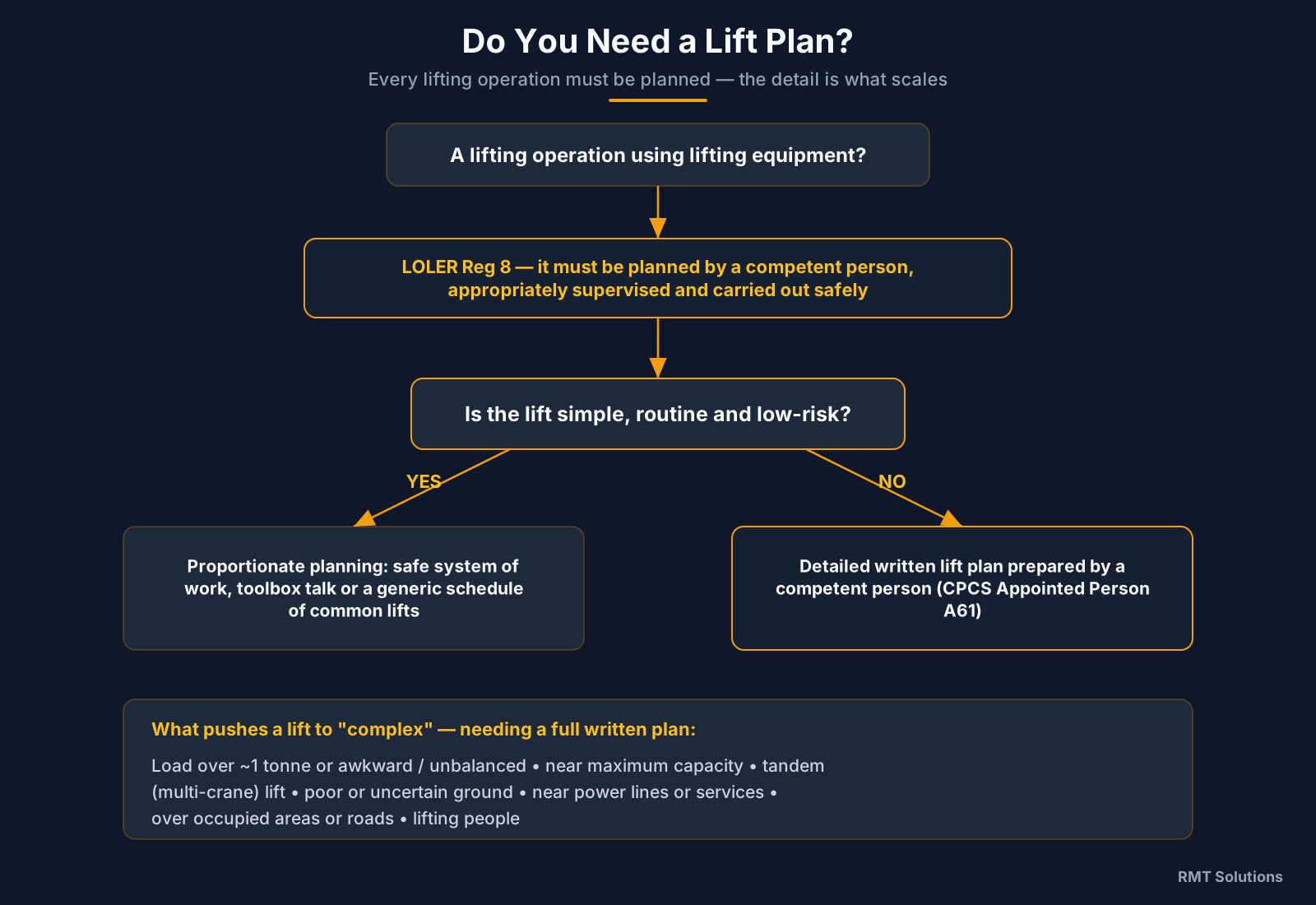
Simple, Routine Lifts
For straightforward, repetitive lifting operations that are low risk, planning might consist of:
- A toolbox talk explaining the operation
- Verbal instructions from a supervisor
- Reference to established safe systems of work
- Basic risk assessment
Examples: Regular pallet movements with a forklift, standard material handling with a telehandler, routine sling operations by trained staff. For documenting routine lifts like these, our free lift plan template gives you a structured starting point.
Complex or Non-Routine Lifts
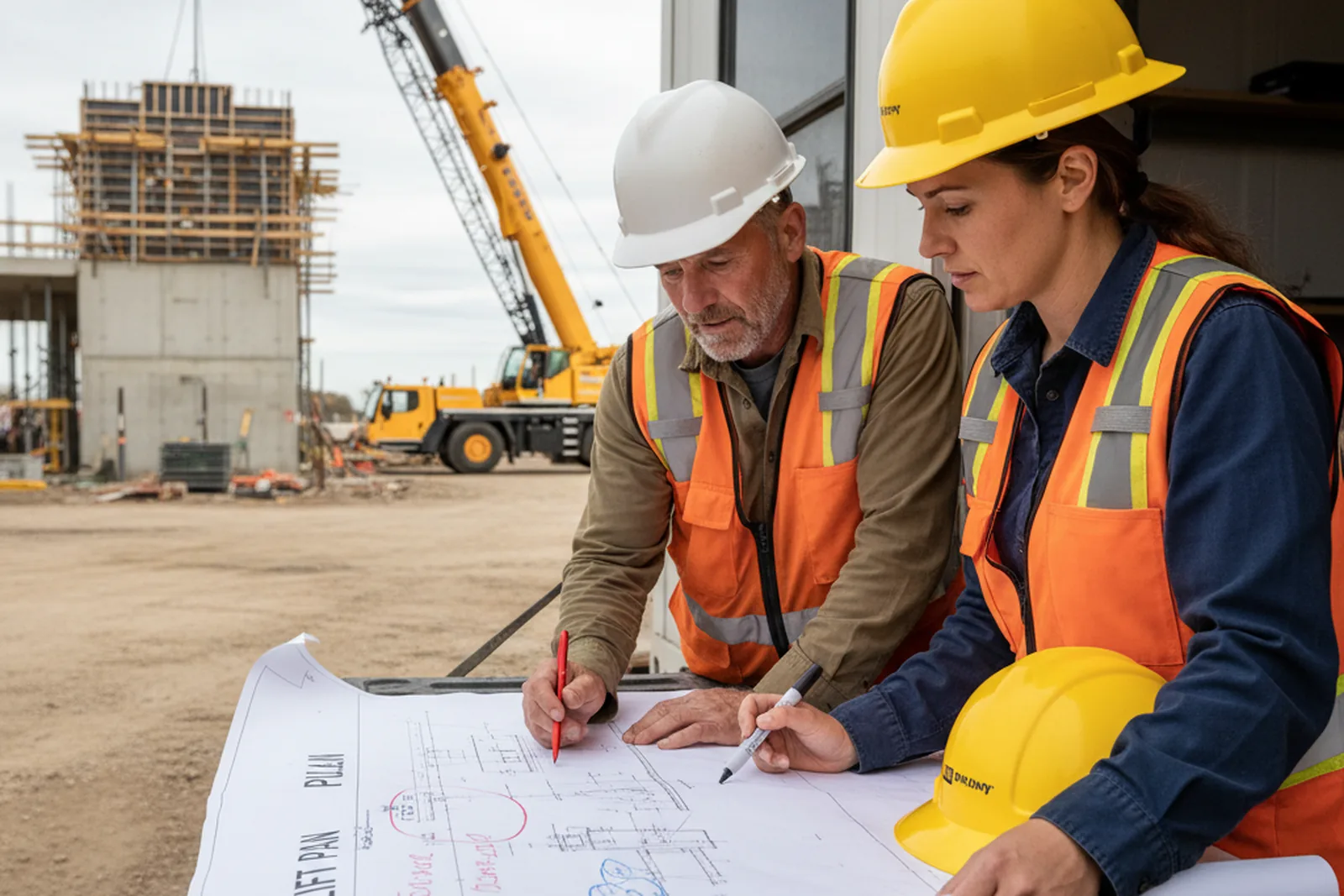
These require a detailed written lift plan prepared by a competent person (typically a CPCS Appointed Person). The plan should include:
- Load details (weight, dimensions, center of gravity)
- Equipment selection and configuration
- Site conditions and ground bearing capacity
- Lift sequence and methodology
- Radius and capacity calculations
- Exclusion zones and barriers
- Emergency procedures
- Supervision and communication methods
What Makes a Lift "Complex"?
Here are the key factors that trigger the need for a detailed written lift plan:
1. Load Characteristics
- Loads over 1 tonne
- Awkwardly shaped or unbalanced loads
- Loads where the center of gravity is unclear
- Fragile or high-value items
- Loads that will swing or move during lifting
2. Site Conditions
- Restricted working space
- Poor ground conditions
- Proximity to overhead power lines
- Working near boundaries or public areas
- Sloping or uneven ground
- Limited access routes
3. Equipment Factors
- Using equipment near its maximum capacity
- Tandem lifts (two cranes working together)
- Long boom configurations
- Equipment working at steep angles
- Unfamiliar equipment or first-time use
4. Environmental Hazards
- Lifts over occupied buildings or live roadways
- Working in adverse weather conditions
- Night working
- Work near railways or waterways
- Proximity to structures or services
5. Personnel Safety
- Lifting people (requires specific equipment and planning)
- Multiple personnel involved in coordination
- Work requiring signaller/banksman
- Operations with limited visibility
Specific Equipment Requirements
Tower Cranes
Always require a written lift plan. Tower cranes are complex pieces of equipment operating over extended areas. Even routine lifts should be covered by:
- Appointed Person contract for the duration of the tower crane on site
- Regular 8-weekly audits and inspections
- Review of all lift plans submitted by subcontractors
- Method statements for installation and dismantling
Mobile Cranes
Usually require a written lift plan. Mobile crane work is rarely "routine" because:
- Each site is different
- Ground conditions vary
- Load configurations change
- Access and positioning differ
I always recommend a site visit for mobile crane work to assess ground conditions, access routes, and overhead hazards. For routine, repeat crane operations under crane hire, our free mobile crane lift plan template provides the documented framework.
Excavators for Lifting
Require a lift plan when used for lifting. Many people don't realize that the moment you attach lifting gear to an excavator, it becomes lifting equipment under LOLER. You need:
- Written lift plan (can be templated for repetitive work)
- Machine rated and marked for lifting
- Proper lifting points and accessories
- Operator trained in lifting operations
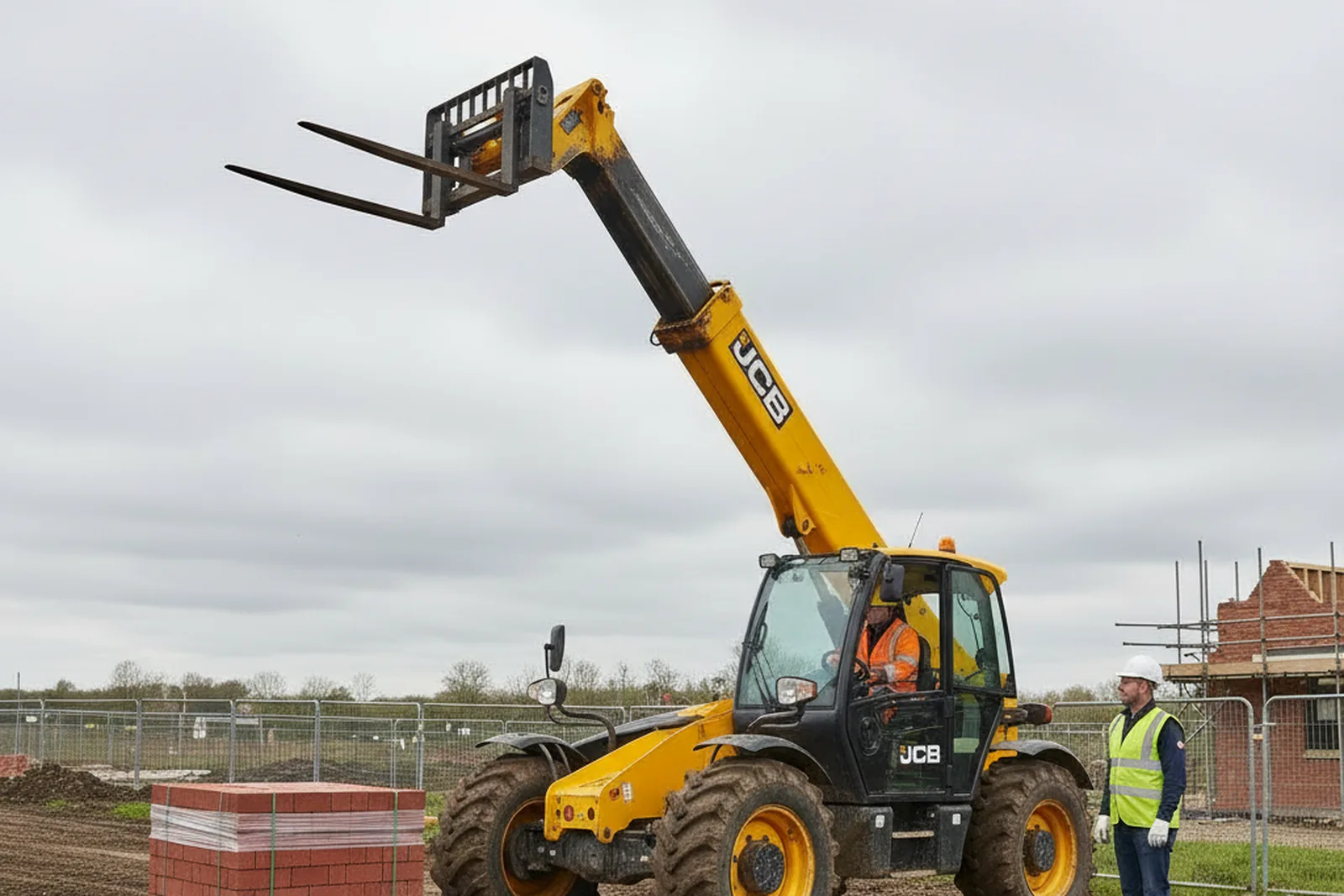
Telehandlers and Forklifts
Simple lifts may not need written plans, but complex operations do. Consider a written plan when:
- Lifting loads over 1 tonne
- Working at height or on slopes
- Lifting awkward or unbalanced loads
- Operating in confined spaces
Who Can Write a Lift Plan?
LOLER requires lift plans to be prepared by a "competent person." This means someone with:
- Sufficient training in lifting operations
- Adequate knowledge of the equipment and regulations
- Practical experience in lift planning
- Understanding of load calculations and capacities
For complex lifts, this typically means a CPCS Appointed Person (A61 qualification). This is the industry-recognized standard for competence in lift planning.
Common Scenarios Explained
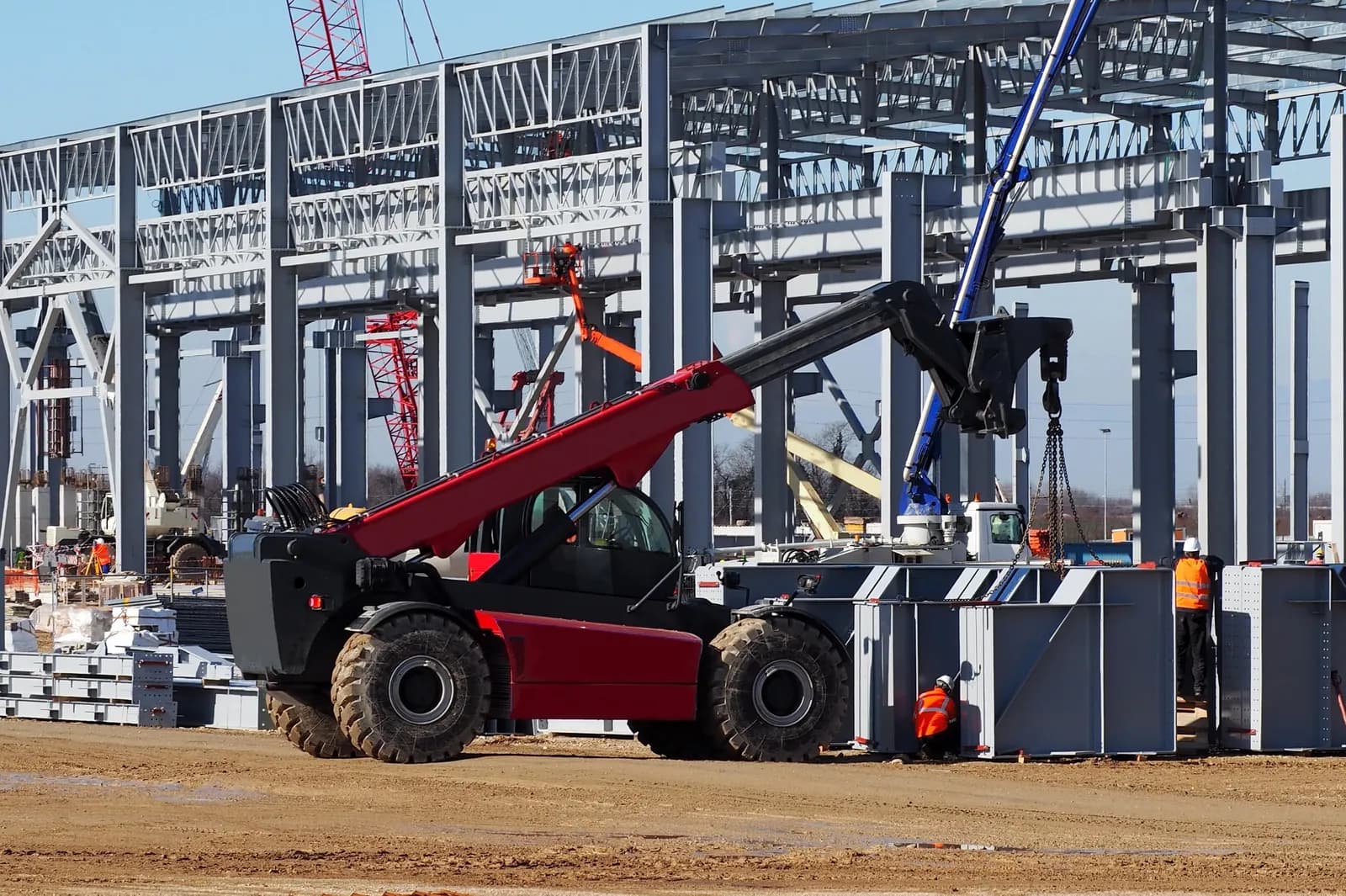
Scenario 1: Steel Frame Erection
Need a lift plan? YES
Steel erection involves heavy loads, often at height, with multiple lifts throughout the day. You need:
- Detailed lift plan covering the full erection sequence
- Crane selection and positioning plan
- Method statement for steelwork assembly
- Coordination between crane operator and steel erectors
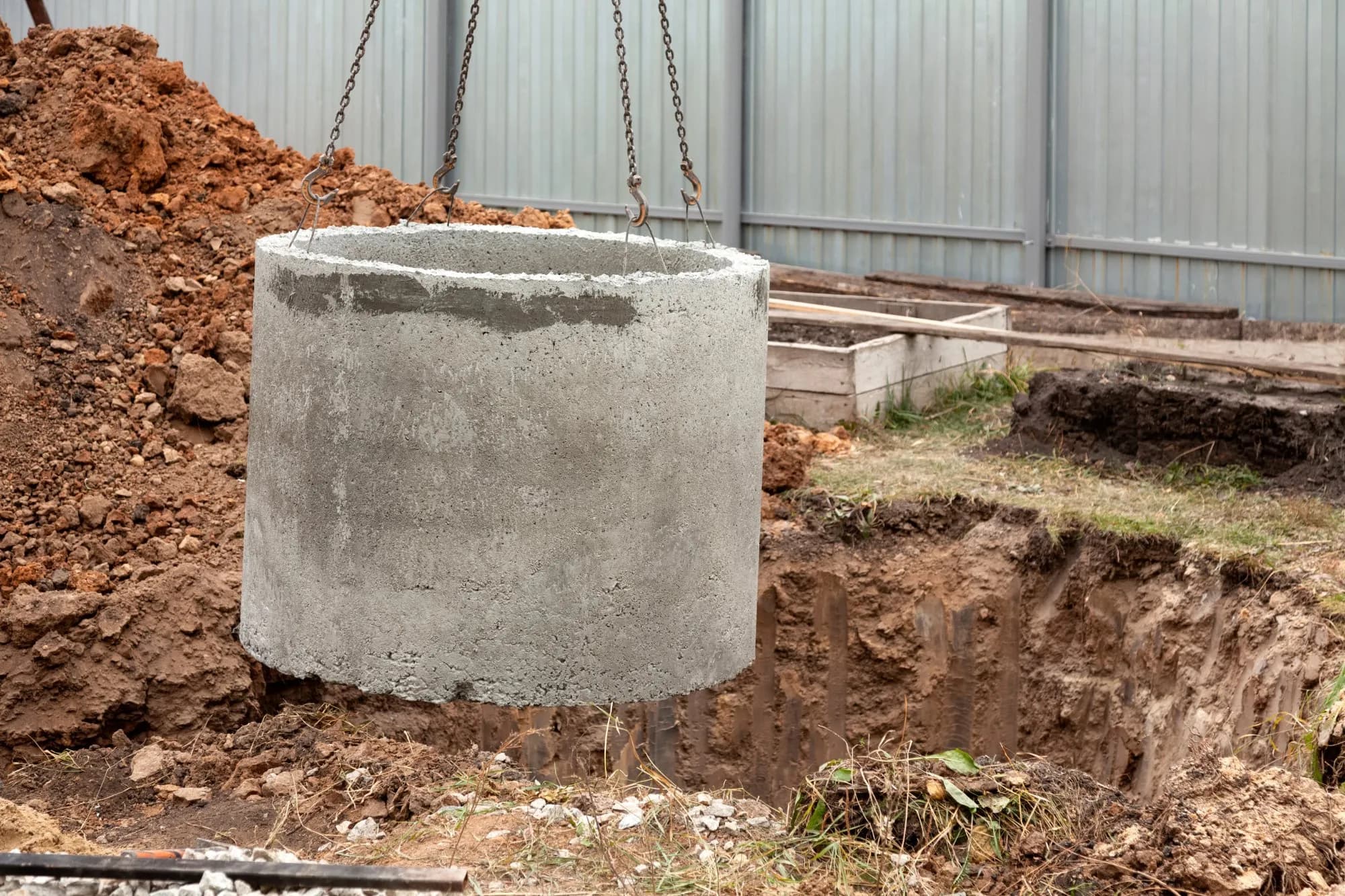
Scenario 2: Precast Concrete Panels
Need a lift plan? YES
Precast elements are heavy and often require precise positioning. Planning should cover:
- Individual panel weights and lifting points
- Crane positioning for each lift
- Temporary propping and stability
- Ground bearing capacity
Scenario 3: Plant Delivery and Positioning
Need a lift plan? USUALLY
Depends on the equipment being delivered. A mini digger might be straightforward, but a 30-tonne excavator or generator definitely needs proper planning. For HIAB deliveries, our free lorry loader lift plan template covers the standard delivery operation, including a worked example.
Scenario 4: Materials Handling on Site
Need a lift plan? DEPENDS
Routine materials handling with a telehandler or forklift by trained operators may only need a risk assessment and safe system of work — or a generic lift plan, which BS 7121 accepts for genuinely repetitive basic lifts. But anything unusual requires a proper site-specific plan.
Need an answer for your specific lift? Send the details over and a CPCS A61 Appointed Person will tell you what level of planning it needs — free, usually within four working hours. Get in touch or call 07803 808093.
When Planning a Lift, What Is the First Thing You Should Do?
This is a favourite exam question on CPCS courses — and a genuinely useful one on site. The first thing you should do when planning a lift is assess the load: establish its weight, dimensions, centre of gravity and lifting points. Everything else in the plan flows from the load. You cannot select the machine, check capacity at radius, choose accessories or set exclusion zones until you know exactly what you are lifting.
In practice the opening steps of any lift plan run in this order:
- Assess the load — confirmed weight (not a guess), dimensions, centre of gravity, and certified lifting points.
- Assess the site — ground conditions, access, overhead hazards, underground services, and adjacent activities.
- Select the equipment — a machine with adequate rated capacity at the working radius, plus suitable accessories.
- Appoint the people — a competent Appointed Person to plan, and a supervisor, operator and slinger/signaller to execute.
If a plan lands on your desk that clearly hasn't started with the load — a "10-tonne-ish" weight, no centre of gravity, no lifting-point detail — treat that as a red flag for everything that follows.
What Does the HSE Expect a Lifting Plan to Cover?
The HSE does not publish an official lifting plan template — its expectation, set out in LOLER 1998 and the supporting Approved Code of Practice (L113), is that the planning is adequate for the risk. We cover the full inspection angle in HSE lifting plan requirements: what inspectors look for. When HSE inspectors examine a lifting plan after an incident or during a site visit, they look for evidence that a competent person has genuinely considered:
- The load — weight, integrity, centre of gravity and attachment method
- The equipment — suitability, rated capacity at the working configuration, and current thorough examination
- The site — ground bearing capacity, proximity hazards, overhead lines and exclusion zones
- The people — named, competent personnel with defined roles
- The method — the sequence of the operation, communication arrangements, and what happens if something changes on the day
A generic document with a company logo on it does not demonstrate any of that. This is exactly why plans get rejected by principal contractors — see our guide to why lift plans get rejected for the common failures.
Consequences of Poor Planning
Inadequate lift planning can result in:
- Serious injuries or fatalities
- Equipment damage
- Project delays
- HSE enforcement action
- Prosecution and unlimited fines
- Reputational damage
- Insurance issues
More importantly, people get hurt. Most crane incidents involve inadequate planning or supervision.
Best Practice Recommendations
Based on 35 years of experience, here's my advice:
- When in doubt, write it out. If you're asking "do I need a plan?", you probably do.
- Engage an Appointed Person early. Don't wait until the crane arrives on site.
- Do a site visit for mobile crane work. Ground conditions and access can't be properly assessed from drawings.
- Review all subcontractor lift plans. Just because they have a plan doesn't mean it's adequate.
- Keep proper records. Document everything—it protects you legally and shows due diligence.
How RMT Solutions Can Help
We provide lift planning services for all types of lifting operations:
- Lift Plan Writing: LOLER-compliant lift plans for excavators, telehandlers, lorry loaders and mobile cranes
- Tower Crane Contracts: Ongoing Appointed Person support throughout your project
- Mobile Crane Lift Plans: Including site visits and ground assessments
- Excavator Lift Plans: Fast turnaround for pipeline and utilities work
- Steel Erection Planning: Comprehensive planning for structural steel projects
- Lift Plan Review: Checking subcontractor submissions for compliance
Not Sure if You Need a Lift Plan?
Get in touch for a free initial consultation. We'll review your requirements and advise on the best approach for LOLER compliance.
Contact Us TodayFrequently asked questions
When do you need a lift plan?
LOLER Regulation 8 requires every lifting operation involving lifting equipment to be properly planned by a competent person, appropriately supervised and carried out in a safe manner. So every lift needs planning, but the level of detail scales with risk: simple, routine, low-risk lifts may be covered by a safe system of work, while complex or non-routine lifts need a detailed written lift plan.
What makes a lift complex?
A lift is generally treated as complex where factors such as the load characteristics, site conditions, equipment configuration, environmental hazards or personnel safety raise the risk. Examples include tandem lifts, lifts over occupied areas, lifts near power lines, or lifts with restricted access. Complex lifts require a detailed written plan from a CPCS Appointed Person.
Do you need a lift plan for an excavator?
Yes, if the excavator is being used for lifting rather than just digging. Once lifting accessories such as chains or slings are attached, it becomes lifting equipment under LOLER and requires proper planning.
When planning a lift, what is the first thing you should do?
Assess the load. The first step in planning any lifting operation is establishing the load’s weight, dimensions, centre of gravity and lifting points, because every other planning decision — machine selection, capacity at radius, accessories, exclusion zones — depends on it. After the load, assess the site, select the equipment, and appoint competent people.
Does the HSE provide a lifting plan template?
No. The HSE does not publish an official lifting plan template. Its requirement, under LOLER 1998 and the L113 Approved Code of Practice, is that every lifting operation is properly planned by a competent person, with the detail proportionate to the risk. Inspectors look for evidence of genuine site-specific planning — not a particular form.
Ricky Marsh
CPCS A61 Appointed Person | NEBOSH National Diploma | CertIOSH | MIIRSM | TIFSM
With 35 years of construction industry experience, Ricky provides expert lift planning and compliance services to contractors across the UK. Specializing in LOLER compliant lift plans, tower crane contracts, and steel erection planning.
Need a lift plan written? Plans from £200, 24-48h turnaround
07803 8080933 fields, 30 seconds. We reply within 4 working hours.