Telehandler Lift Plans: A Complete Guide for UK Contractors
Telehandlers are among the most versatile machines on UK construction sites. Originally designed as rough terrain forklifts, they are now routinely used for lifting and placing suspended loads — operations that bring them firmly within the scope of LOLER 1998. Despite this, telehandler lift plans remain one of the most commonly overlooked requirements in construction planning.
Need the plan itself rather than the theory? We write telehandler lift plans for fixed-frame and 360 slew machines — fixed price from £200 + VAT, delivered in 24–48 hours by a CPCS A61 Appointed Person. Or start from our free telehandler lift plan templates.
When Does a Telehandler Need a Lift Plan?
Under LOLER 1998, every lifting operation must be properly planned by a competent person, appropriately supervised, and carried out in a safe manner. A telehandler requires a formal lift plan whenever it is used for crane duties — that is, lifting and moving suspended loads using chains, slings, or other lifting accessories attached to the machine.
Common telehandler lifting operations that require a lift plan include:
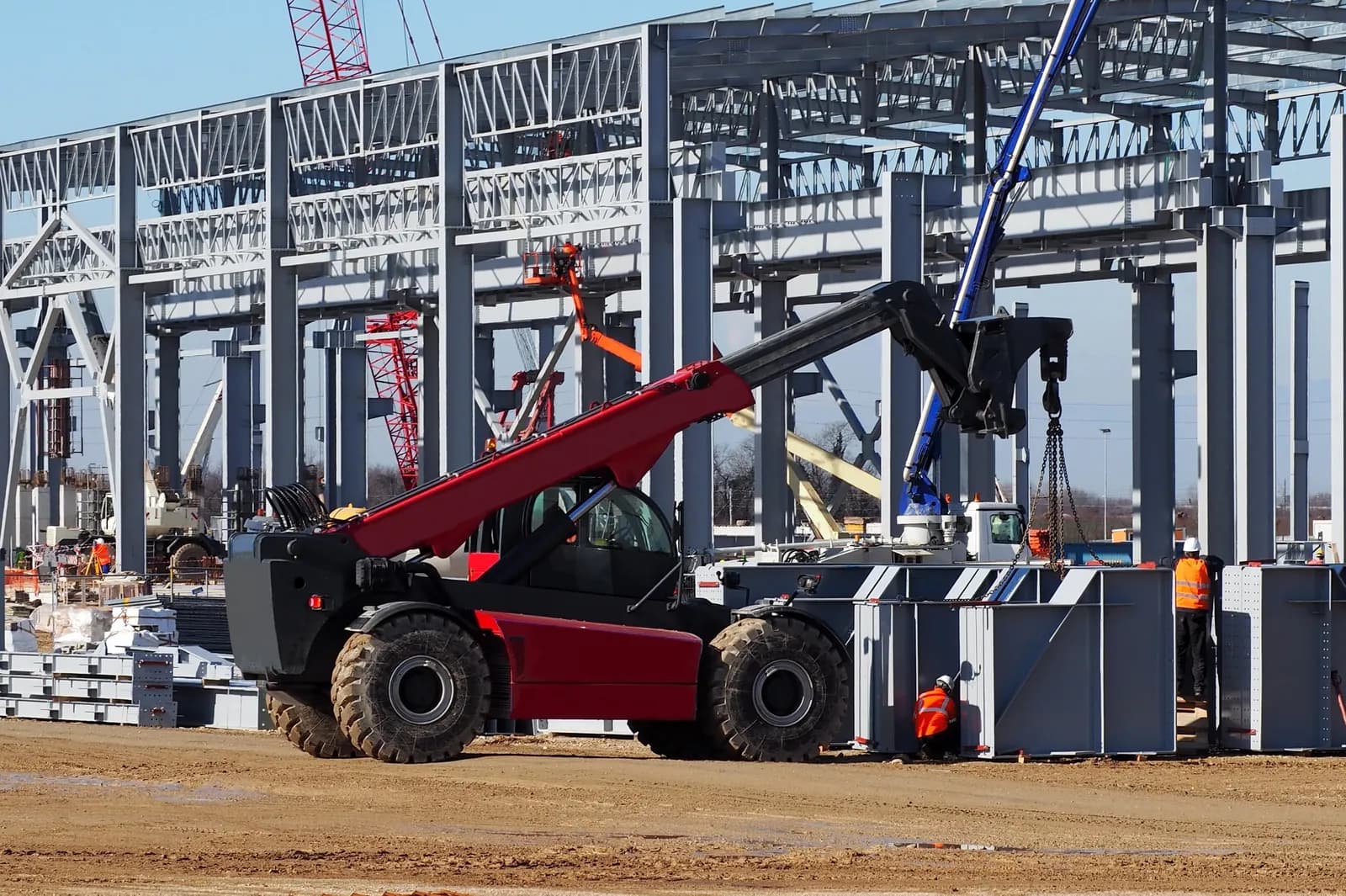
- Lifting steel beams, columns, or structural elements using a hook attachment
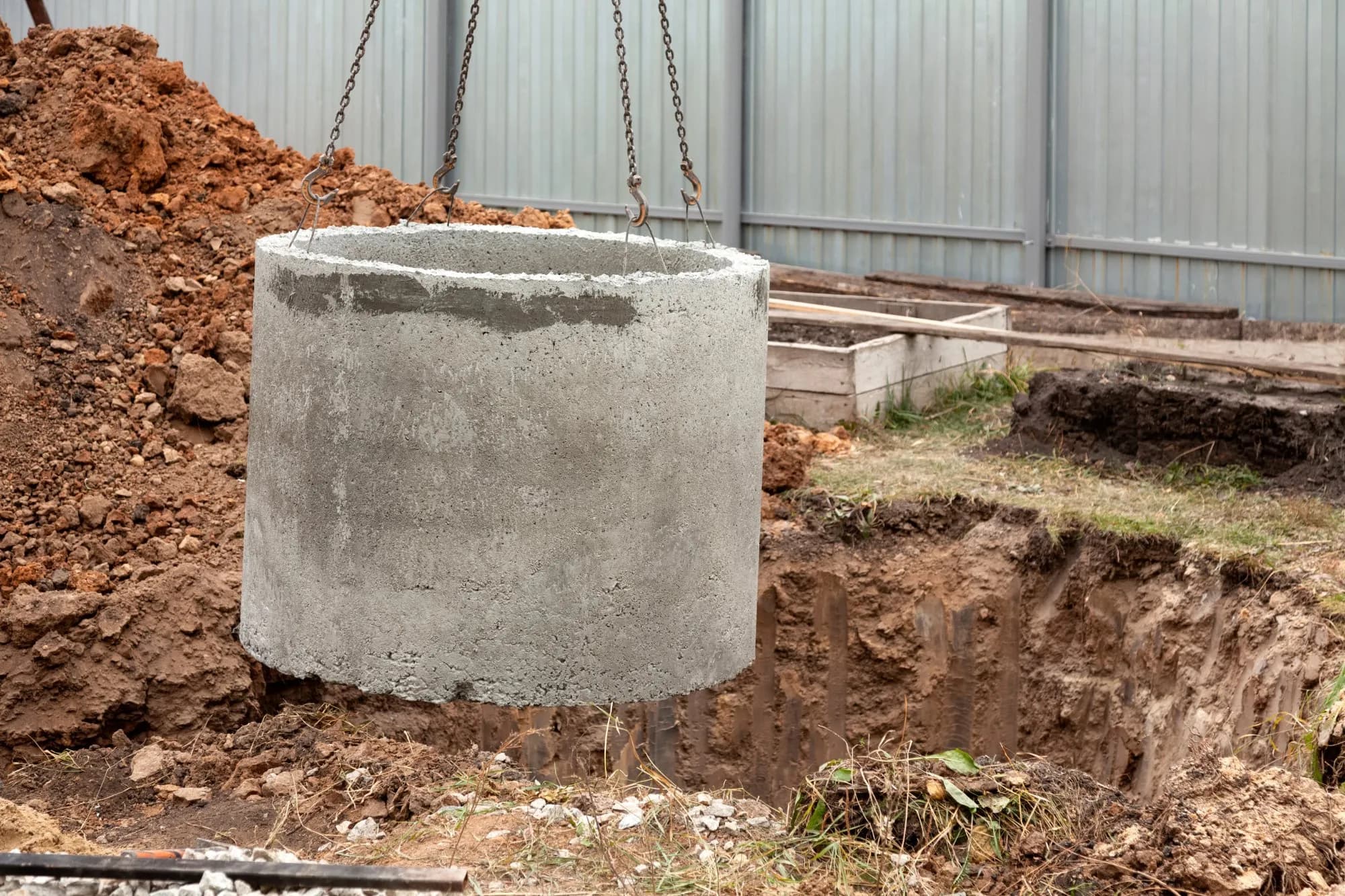
- Placing precast concrete units such as lintels, padstones, or cladding panels
- Lifting mechanical and electrical plant to height
- Placing materials on scaffolding or at elevated positions using suspended loads
- Any operation where a load is suspended from the telehandler using lifting accessories
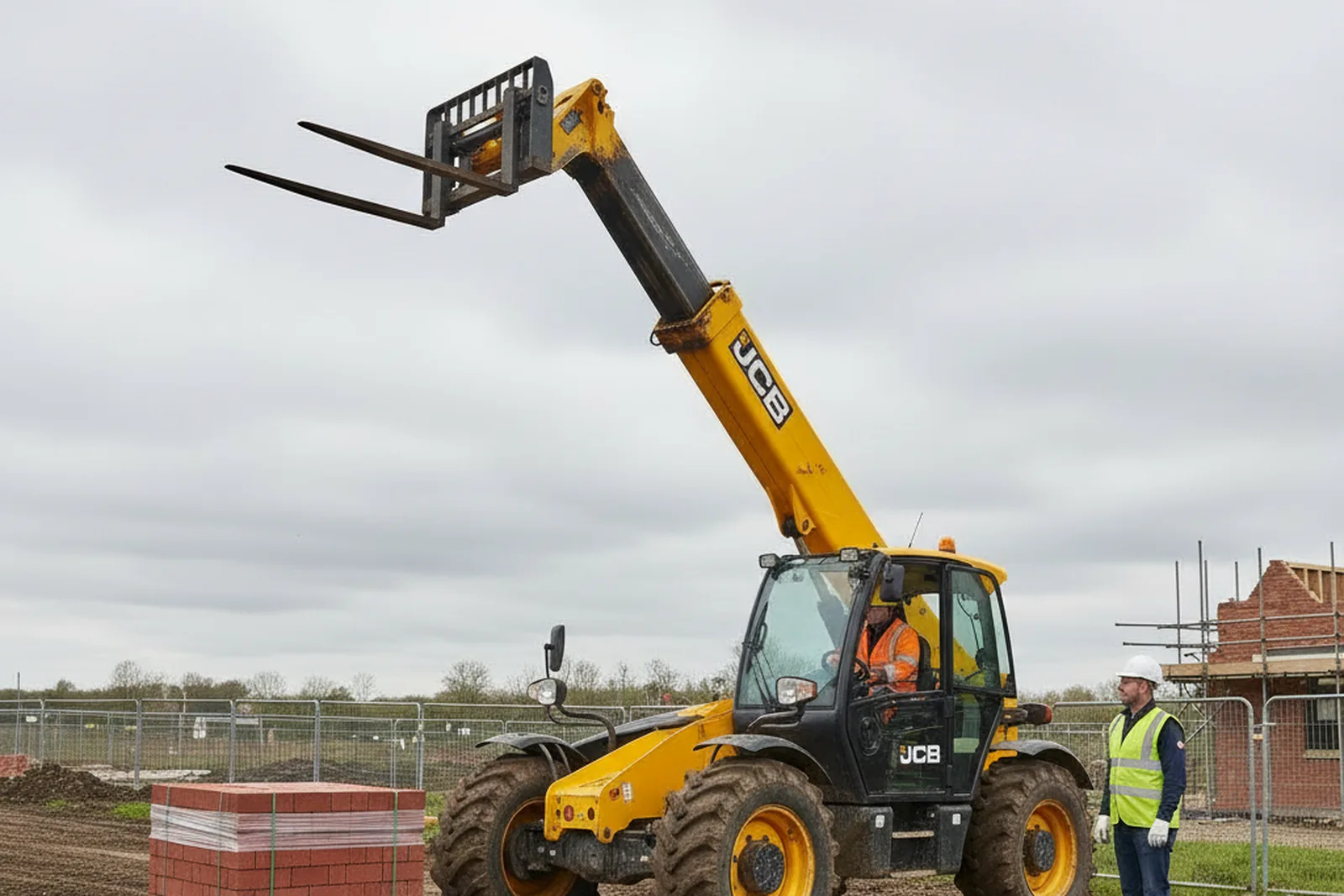
It is worth noting that routine materials handling — such as moving pallets on forks — does not normally require a formal lift plan, although a risk assessment is still needed. The distinction is whether the load is freely suspended from the machine. Once a load hangs from chains, slings, or a lifting beam attached to the telehandler, LOLER applies in full.
Fixed-Frame vs 360 Slew Telehandlers
One of the most important considerations in telehandler lift planning is the type of machine being used. Fixed-frame and 360 degree slew telehandlers have fundamentally different stability characteristics, and the lift plan must account for these differences.
Fixed-Frame Telehandlers
Fixed-frame telehandlers are the most common type found on UK construction sites. The boom is mounted on a chassis that does not rotate, meaning the entire machine must be repositioned to change the direction of the lift. Key planning considerations include:
- Forward stability: The primary risk is forward tipping. The load chart is based on the load moment relative to the front axle tipping line
- Boom extension and angle: Lifting capacity reduces significantly as the boom extends and lowers. A telehandler rated at 4 tonnes at minimum radius may only manage 1 tonne at full extension
- Stabilisers: Many fixed-frame telehandlers have deployable stabilisers that significantly increase lifting capacity. The lift plan must specify whether stabilisers are deployed and confirm adequate ground conditions beneath them
- Ground gradient: Fixed-frame machines are particularly sensitive to operating on slopes. The lift plan should specify maximum permissible gradients
- Rear axle loading: When lifting heavy loads at extended radius, the rear axle can lose ground contact. This must be assessed
360 Degree Slew Telehandlers
360 degree slew telehandlers (also known as roto telehandlers) feature a rotating upper structure similar to an excavator. This provides much greater versatility but introduces additional planning complexity:
- Multi-directional stability: Because the boom can slew through 360 degrees, the machine must be stable in all directions. Tipping can occur over the side as well as the front
- Load charts vary with slew angle: Lifting capacity changes depending on the angle of the boom relative to the chassis. Over-the-front capacity is different from over-the-side capacity
- Stabiliser configuration matters: Most 360 degree machines require all stabilisers fully deployed for crane duties. Partial deployment drastically reduces capacity and may not be permitted for suspended loads
- Counterweight: Some 360 degree telehandlers have removable counterweight options that affect capacity. The lift plan must specify the counterweight configuration
- Slew restriction: Where site conditions limit the safe slewing arc, the lift plan should define permitted slew angles
What Should a Telehandler Lift Plan Include?
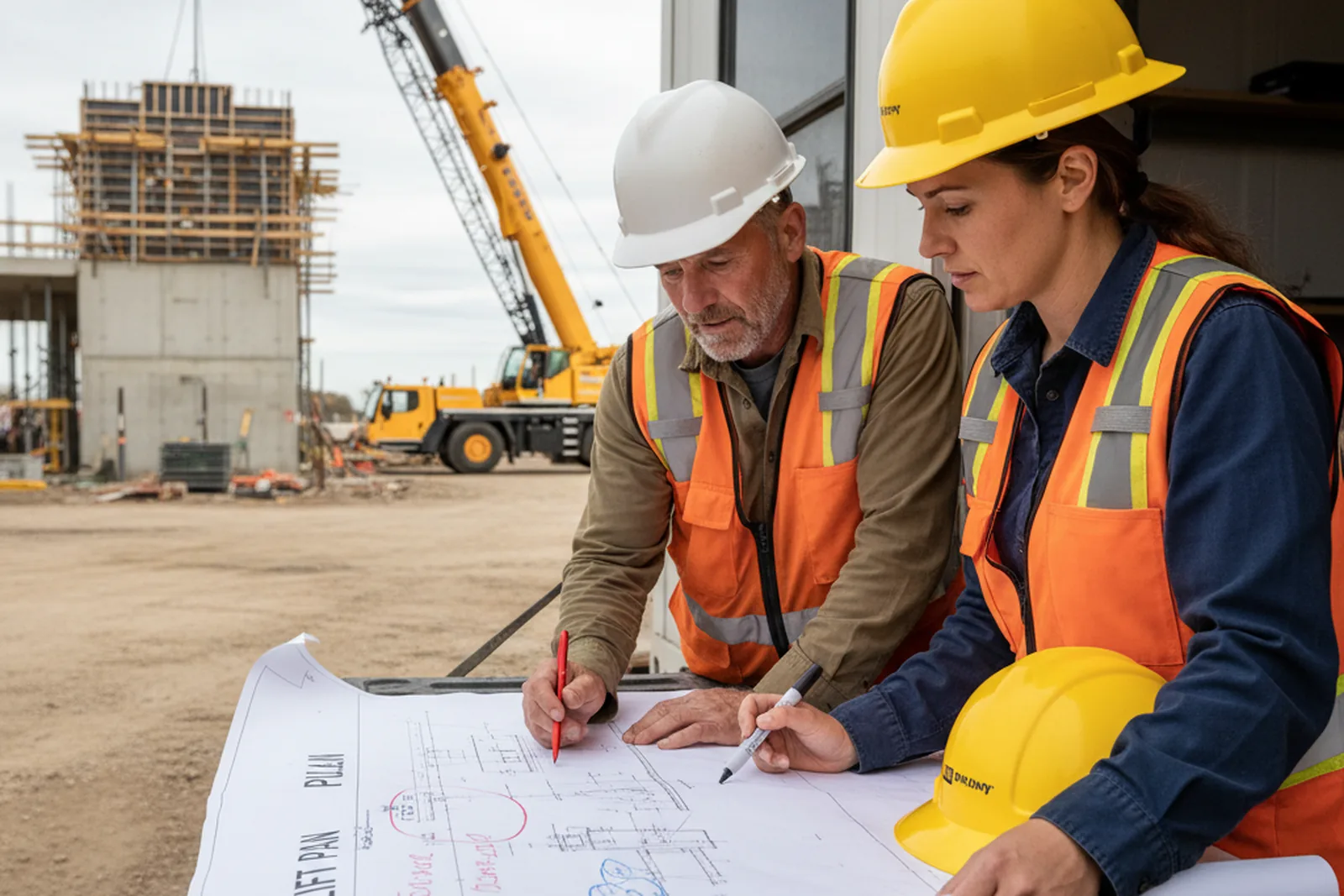
A LOLER-compliant telehandler lift plan must address the specific risks of the operation. While the exact content varies with each lift, a thorough telehandler lift plan typically covers the following areas. (For the general anatomy of a plan regardless of equipment type, see what a lift plan must contain. To build your own, the free telehandler lift plan templates already carry these sections — one for fork-carried loads, one for underslung.)
Machine Specification
The lift plan must identify the specific telehandler to be used, not just the generic type. This includes the make, model, maximum rated capacity, and boom configuration. It must also confirm that the machine is fitted with a suitable lifting attachment — typically a crane hook or dedicated lifting jib — and that this attachment is included in the machine's current thorough examination certificate under LOLER.
Load Details
Accurate load information is essential. The plan must record the weight of the load, its dimensions, the centre of gravity (particularly for asymmetric loads), and any factors that could affect the load during the lift such as wind loading on large flat panels or retained water in hollow sections. The weight of all lifting accessories — slings, shackles, spreader beams — must be included in the total suspended load.
Radius and Capacity Verification
This is where telehandler lift plans differ most from simple crane lift plans. The lift plan must demonstrate that the telehandler has adequate capacity at the actual working radius. For telehandlers, the working radius changes as the boom extends and raises, and small changes can have a dramatic effect on capacity.
The plan should include a clear capacity check showing the manufacturer's rated capacity at the planned radius and boom configuration, the total load including rigging weight, and the resulting percentage utilisation. Industry best practice is to keep utilisation below 80% for routine lifts to provide a safety margin for dynamic loading effects.
Ground Conditions
Ground conditions are critical for telehandler operations. The lift plan must assess:
- Ground bearing capacity at the operating position and under each stabiliser pad
- Proximity to excavations, trenches, or soft ground that could affect stability
- Surface gradient and whether it falls within the machine's permitted operating limits
- Requirements for timber mats, steel plates, or other load-spreading measures under stabiliser pads
- Underground services, voids, or basements that could be affected by machine loading
Site-Specific Hazards
Every lift plan must address the hazards present at the specific location. For telehandler operations, common considerations include:
- Overhead power lines and minimum approach distances
- Adjacent structures, scaffolding, or other obstructions within the operating radius
- Other plant and vehicle movements in the area
- Pedestrian routes and exclusion zones beneath and around the lift
- Weather limitations — particularly wind speeds for large or high-surface-area loads
Personnel and Communication
The plan must identify the key personnel involved in the lift:
- The Appointed Person responsible for planning the lift
- The lift supervisor overseeing the operation on site
- The telehandler operator, who must hold appropriate CPCS or equivalent certification
- The slinger/signaller(s) responsible for attaching loads and directing the operator
- The communication method to be used — hand signals, radio, or direct verbal where visibility allows
Common Mistakes in Telehandler Lift Plans
Having reviewed hundreds of telehandler lift plans submitted by subcontractors, certain mistakes appear repeatedly. If you have a plan already written and want it checked before it goes to the principal contractor, that is exactly what our lift plan checking service does — the three errors below are the ones we reject most often.
Using the Wrong Load Chart
This is the single most common error. Telehandler load charts vary significantly depending on the configuration — stabilisers deployed vs retracted, attachment type, counterweight fitted vs removed. Using the wrong chart can make a lift appear safe when it is actually beyond the machine's capacity. Always verify which load chart applies to the actual planned configuration.
Ignoring Attachment Weight
The weight of the lifting attachment itself — the crane hook, jib, or man basket frame — reduces the available capacity. A crane jib attachment can weigh several hundred kilograms. This must be deducted from the machine's rated capacity before assessing whether the load can be lifted safely.
Underestimating Radius
Telehandler operators sometimes need to extend the boom further than initially planned to reach the landing position. If the lift plan has been calculated at minimum radius with little margin, any additional extension can push the machine beyond its safe working load. Always plan for the maximum radius that might be needed, not the minimum.
Inadequate Ground Assessment
Telehandlers exert significant ground pressure through their stabiliser pads, particularly 360 degree slew machines lifting at extended radius. Failing to assess ground bearing capacity or provide adequate spreading mats is a common and potentially dangerous oversight.
No Thorough Examination for Lifting Accessories
When a telehandler is used for crane duties, the lifting attachment (hook, jib, etc.) becomes a lifting accessory under LOLER. It must have a current thorough examination certificate. Slings, shackles, and any other rigging equipment used must also be examined. Missing or expired certificates are a frequent finding during lift plan reviews.
CPCS Categories for Telehandler Operations
Operators must hold the correct CPCS card for the type of telehandler being used:
- A17 — Telescopic Handler: Covers standard fixed-frame telehandlers
- A17E — 360 Slew Telescopic Handler: Required for roto/360 degree slew machines. An A17 card alone is not sufficient for 360 degree machines
For crane duties specifically, operators should also have training and assessment in the use of the specific lifting attachment fitted. This is often covered under the CPCS scheme but should be verified in the lift plan.
Thorough Examination Requirements
Under LOLER Regulation 9, telehandlers used for lifting operations must undergo thorough examination:
- Before first use: Unless the machine has an EC Declaration of Conformity and has not been previously used for lifting
- At regular intervals: At least every 12 months for the machine itself. Where lifting accessories are used (crane hook, jib, slings), these must be examined at least every 6 months
- After exceptional circumstances: Following any incident, significant modification, or prolonged period out of service
The lift plan should confirm that all thorough examination reports are current and that any defects identified have been rectified before the lift proceeds.
Planning Telehandler Lifts Near Structures
Telehandlers are frequently used for lifting operations in confined or congested areas — placing steelwork inside partially completed structures, lifting materials over hoarding, or working adjacent to occupied buildings. These lifts require particular attention in the plan.
The boom's swept path must be assessed to ensure it can reach the required position without contacting structures. For 360 degree machines, the tail swing of the superstructure must be checked — it extends beyond the chassis and can strike adjacent walls, scaffolding, or vehicles. Minimum clearances should be specified in the plan, and banksmen positioned where the operator's visibility is restricted.
Wind Limitations for Telehandler Lifts
Wind is a significant factor for telehandler lifting operations. Unlike larger cranes, telehandlers have relatively low lifting capacity at extended radius, meaning even moderate wind loading on the load can consume a significant portion of the available capacity margin.
The lift plan should specify a maximum wind speed for the operation. For loads with large surface areas — such as cladding panels, mesh reinforcement, or sheeting — lower wind limits may be necessary. As a general guideline, most telehandler crane duty operations should cease when sustained wind speeds exceed 20 mph, with lower limits for high-surface-area loads or operations at extended boom reach.
How RMT Solutions Can Help
Telehandler lift plans may seem straightforward, but the variables involved — machine configuration, attachment type, ground conditions, and site-specific hazards — make professional planning essential. An incorrect load chart selection or an overlooked ground condition can have serious consequences.
RMT Solutions provides LOLER-compliant telehandler lift plans prepared by a CPCS Appointed Person with 35 years of construction industry experience. We handle both fixed-frame and 360 degree slew telehandler operations, with plans tailored to your specific machine, site conditions, and lifting requirements.
Need a Telehandler Lift Plan?
RMT Solutions provides LOLER-compliant telehandler lift plans for fixed-frame and 360 degree slew machines. Fast turnaround from a CPCS Appointed Person with 35 years of experience.
Get a QuoteRicky Marsh
CPCS A61 Appointed Person | NEBOSH National Diploma | CertIOSH | MIIRSM | TIFSM
With 35 years of construction industry experience, Ricky provides expert lift planning and compliance services to contractors across the UK. Specializing in LOLER compliant lift plans, tower crane contracts, and steel erection planning.
Need a lift plan written? Plans from £200, 24-48h turnaround
07803 8080933 fields, 30 seconds. We reply within 4 working hours.