LOLER Thorough Examination: 6 or 12 Months? (UK Guide)
"Is LOLER 6 or 12 months?" is one of the most-asked questions in UK lifting — and the answer is: both, depending on what the equipment is and what it does. The intervals come from LOLER 1998 Regulation 9, they are statutory, and getting them wrong is one of the fastest ways to fail a site audit or hand an HSE inspector an easy enforcement win. Here is the full picture: the intervals table, what a thorough examination actually involves, who can do one, and the paperwork you must be able to produce.
The Intervals: 6 Months, 12 Months, or a Scheme
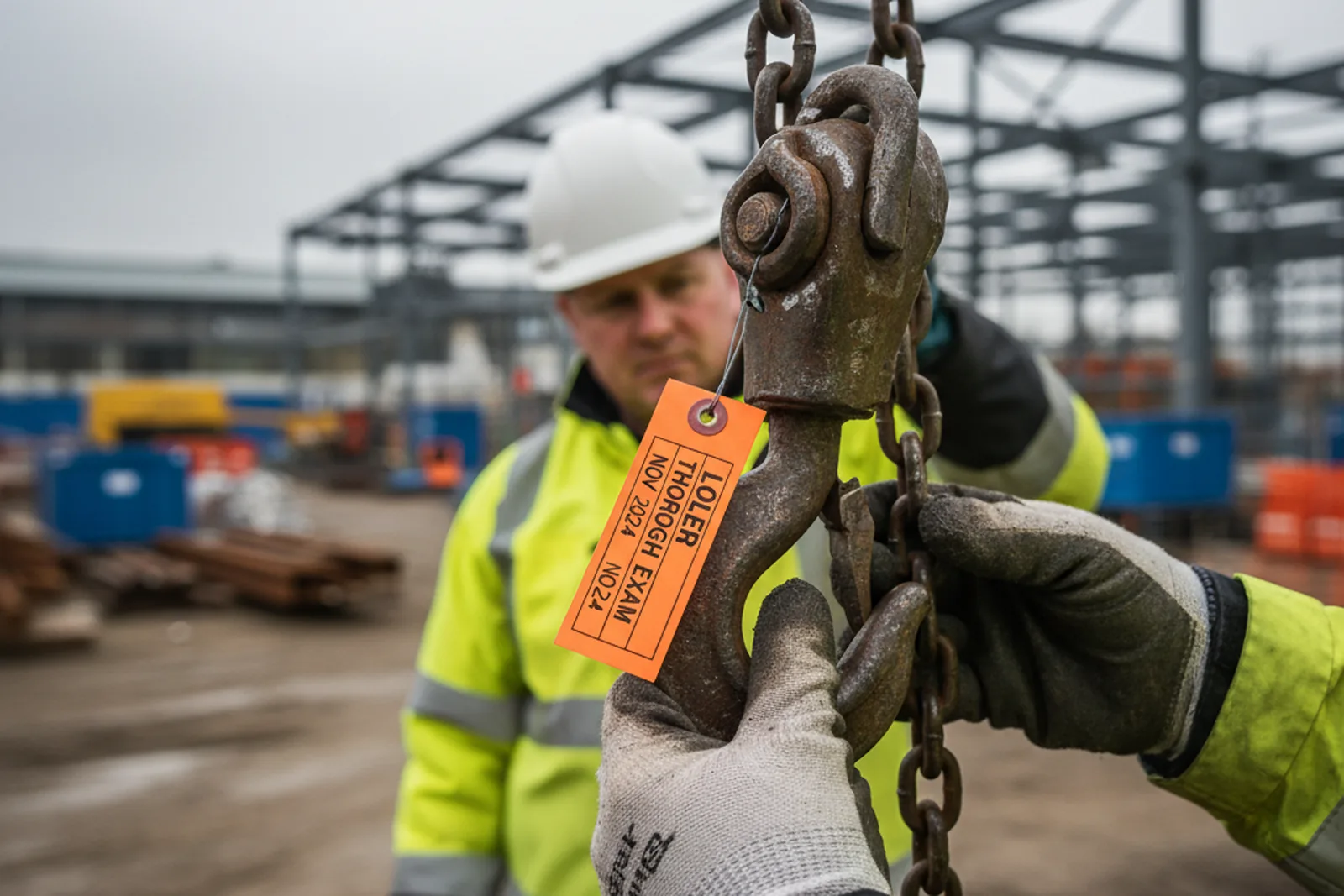
- Every 6 months — lifting accessories (chains, slings, shackles, eyebolts, spreader beams), and any lifting equipment used to lift people (MEWPs, man baskets, passenger hoists).
- Every 12 months — all other lifting equipment: cranes, excavators used for object handling, telehandlers, lorry loaders, overhead cranes, gin wheels, winches.
- Per a written scheme of examination — as an alternative to the fixed intervals, a competent person can draw up a scheme with intervals based on risk and usage. Common for large fleets and harsh-duty equipment.
- After exceptional circumstances — regardless of interval: after damage, failure, substantial modification, long out-of-service periods, or anything else liable to affect safety.
- Before first use — where safety depends on installation conditions (a tower crane after erection, an overhead crane after installation), examination is required before first use and after each assembly at a new location.
The Question Behind the Question: Accessory or Equipment?
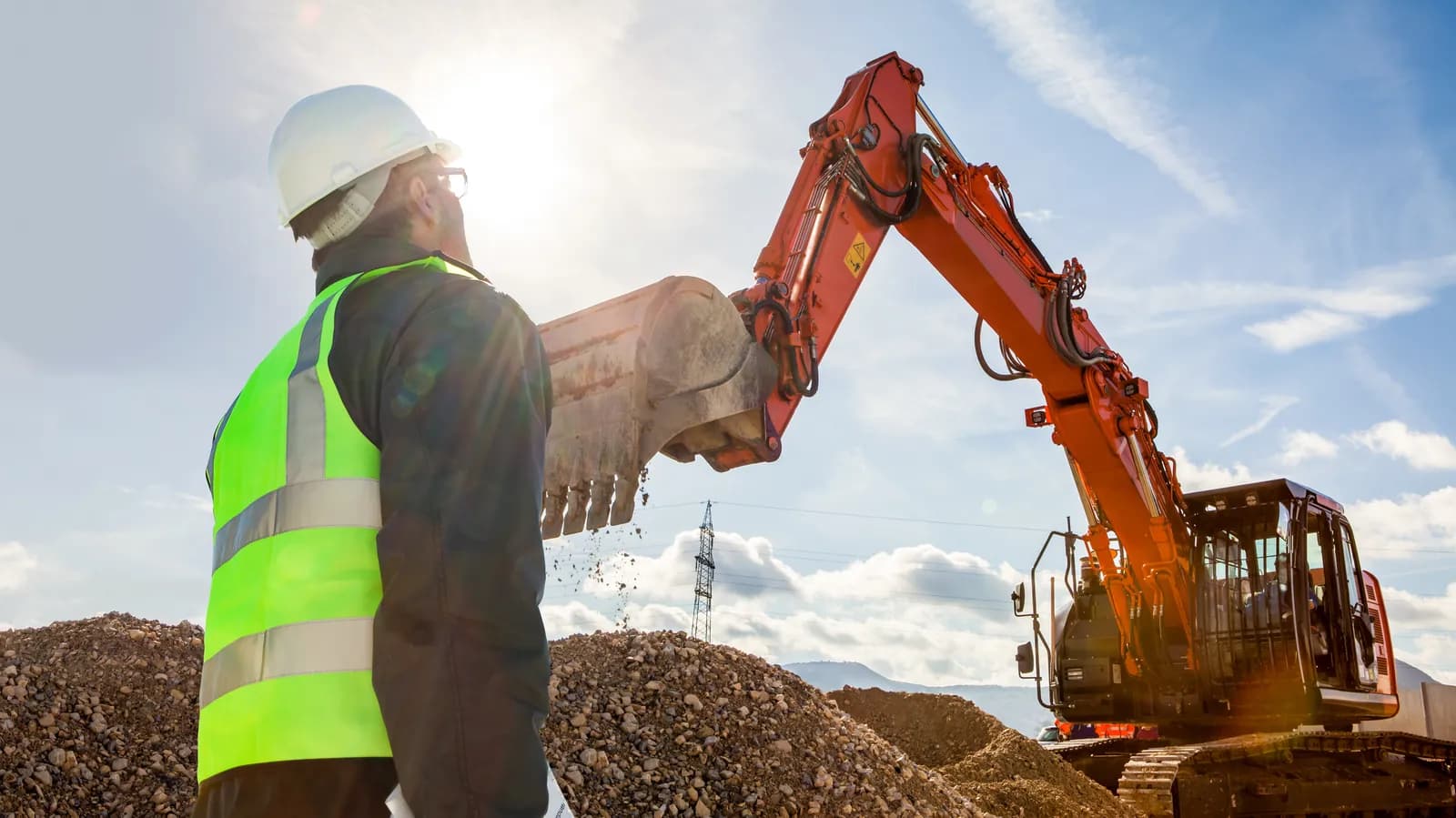
Most interval mistakes come from misclassifying kit. The chain sling on the excavator is an accessory — 6 months; the excavator doing the lifting is equipment — 12 months. Run both on a 12-month cycle and every lift in months 7–12 is being made with uncertified rigging. The same trap catches telehandler lifting attachments, lorry loader hooks and brick forks. If it connects the load to the machine, treat it as an accessory.
What a Thorough Examination Is (and Is Not)
A thorough examination is a systematic, detailed examination by a competent person — someone with the knowledge and experience to detect defects and assess their significance, and crucially, independent enough to make impartial judgements. It is not a service, not an operator's daily check, and not an MOT-style pass at face value: the examiner tests, dismantles where necessary, and decides what supplementary tests (NDT, load testing) the equipment needs. In practice most contractors use their insurer's engineering surveyors or a specialist inspection body.
Daily and weekly operator checks still sit alongside it — LOLER Regulation 9 also requires inspection between thorough examinations where risk assessment identifies the need, and PUWER requires equipment to be maintained. The thorough examination is the statutory backstop, not the whole regime.
The Paperwork: Report of Thorough Examination
Every thorough examination produces a report of thorough examination (often called a LOLER certificate, though "certificate" appears nowhere in the regulations). Schedule 1 of LOLER prescribes its contents: equipment identification, date, safe working load, defects found, and the date by which the next examination is due. Keep reports available for inspection — site auditors and HSE inspectors ask for them within minutes of arriving, and missing or expired reports are among the most common audit failures. Defects involving "existing or imminent risk of serious personal injury" are also reported by the examiner directly to the enforcing authority — so the HSE may know about your defect before you have read the report.
How This Meets the Lift Plan
Every competent lift plan confirms current thorough examination for the machine and every accessory in the rigging arrangement — it is one of the items we verify line-by-line when checking subcontractor lift plans, and expired TE dates are a recurring rejection reason. If the excavator's examination lapsed last month, the lift is not compliant no matter how good the rest of the planning is. The wider duties sit in our plain-English LOLER guide and the L113 ACOP explainer.
Are Your Examination Dates Working Against You?
Our lifting operations audit checks every machine and accessory on site against its report of thorough examination — before an inspector or your principal contractor does. Lift plans from £200, audits quoted per site.
Get in Touch TodayFrequently asked questions
Is LOLER 6 or 12 months?
Both, depending on the equipment. Lifting accessories (chains, slings, shackles, spreader beams) and any equipment used to lift people must be thoroughly examined at least every 6 months. Other lifting equipment — cranes, excavators used for lifting, telehandlers, lorry loaders — needs examination at least every 12 months. A written scheme of examination drawn up by a competent person can set different intervals based on risk.
What is a LOLER certificate?
Strictly it is a "report of thorough examination" — the word certificate appears nowhere in LOLER. Schedule 1 of the regulations prescribes its contents: identification of the equipment, the examination date, the safe working load, any defects found, and the date by which the next thorough examination is due. Reports must be kept available for inspection.
Who can carry out a LOLER thorough examination?
A competent person — someone with the practical and theoretical knowledge and experience to detect defects and assess how significant they are, with enough independence to make impartial decisions. In practice most UK contractors use their insurer’s engineering surveyors or a specialist inspection company rather than their own fitters.
Does an excavator need a LOLER thorough examination?
Yes, if it is used for lifting. An excavator doing object handling is lifting equipment and needs a thorough examination at least every 12 months — while the chains and slings it lifts with are accessories needing examination every 6 months. An excavator that only digs is outside LOLER, though PUWER maintenance duties still apply.
Ricky Marsh
CPCS A61 Appointed Person | NEBOSH National Diploma | CertIOSH | MIIRSM | TIFSM
With 35 years of construction industry experience, Ricky provides expert lift planning and compliance services to contractors across the UK. Specializing in LOLER compliant lift plans, tower crane contracts, and steel erection planning.
Need a lift plan written? Plans from £200, 24-48h turnaround
07803 8080933 fields, 30 seconds. We reply within 4 working hours.