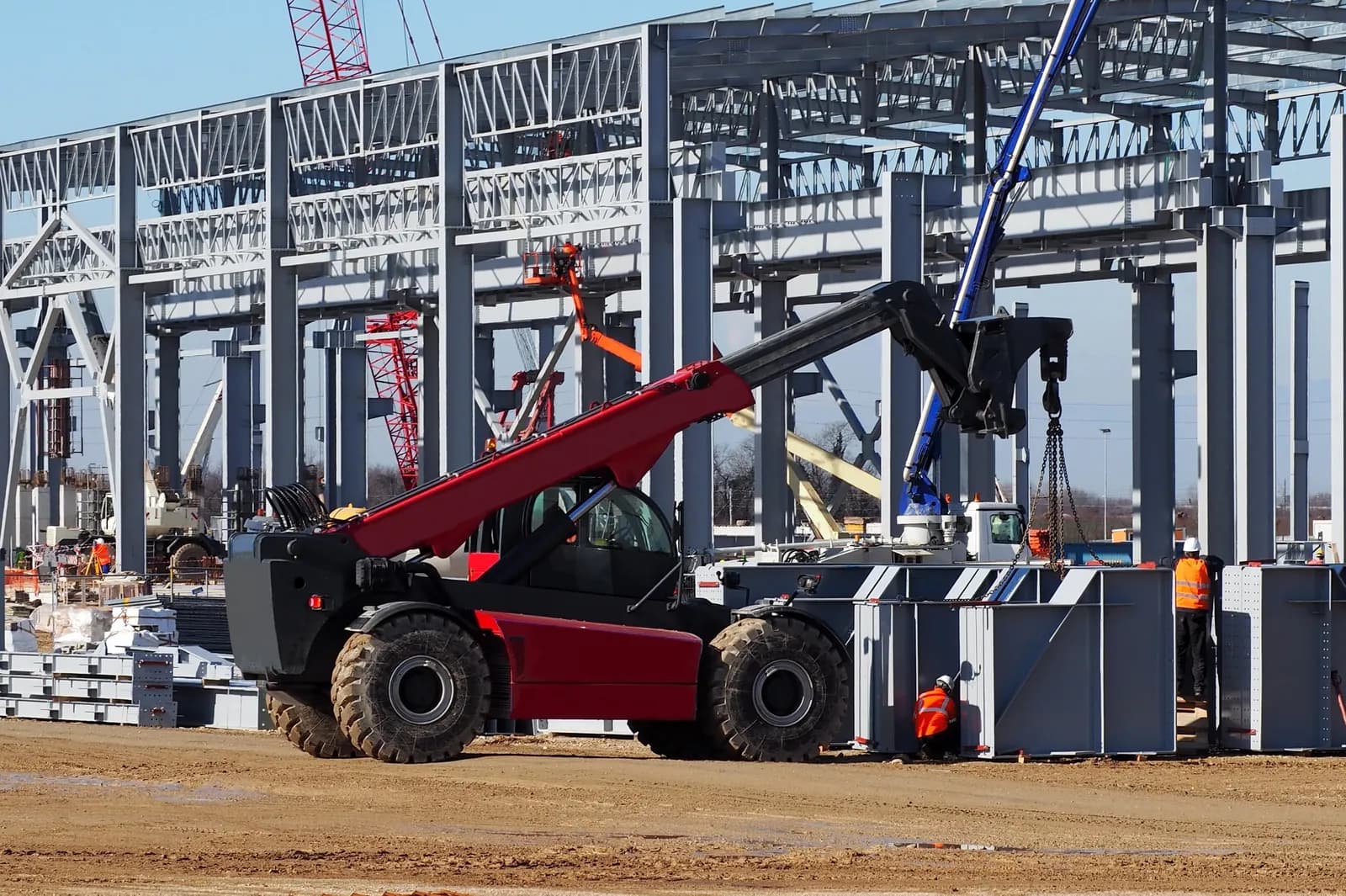
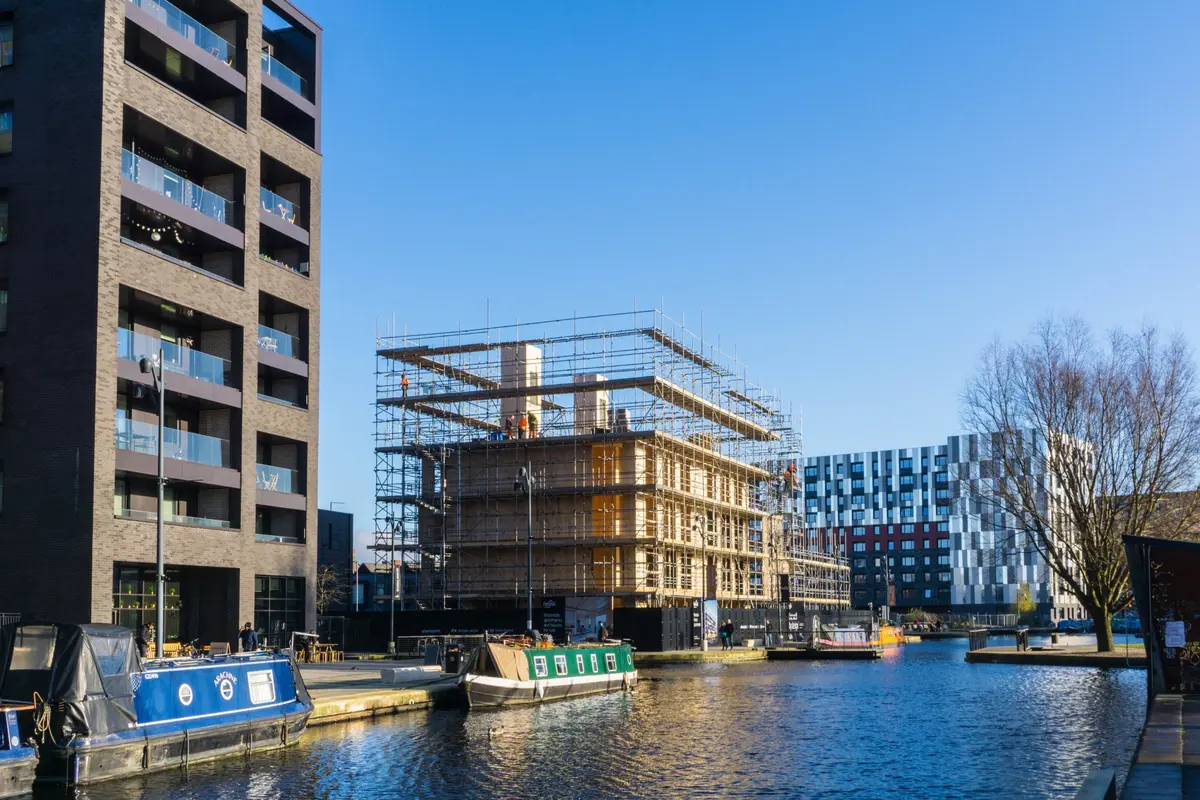
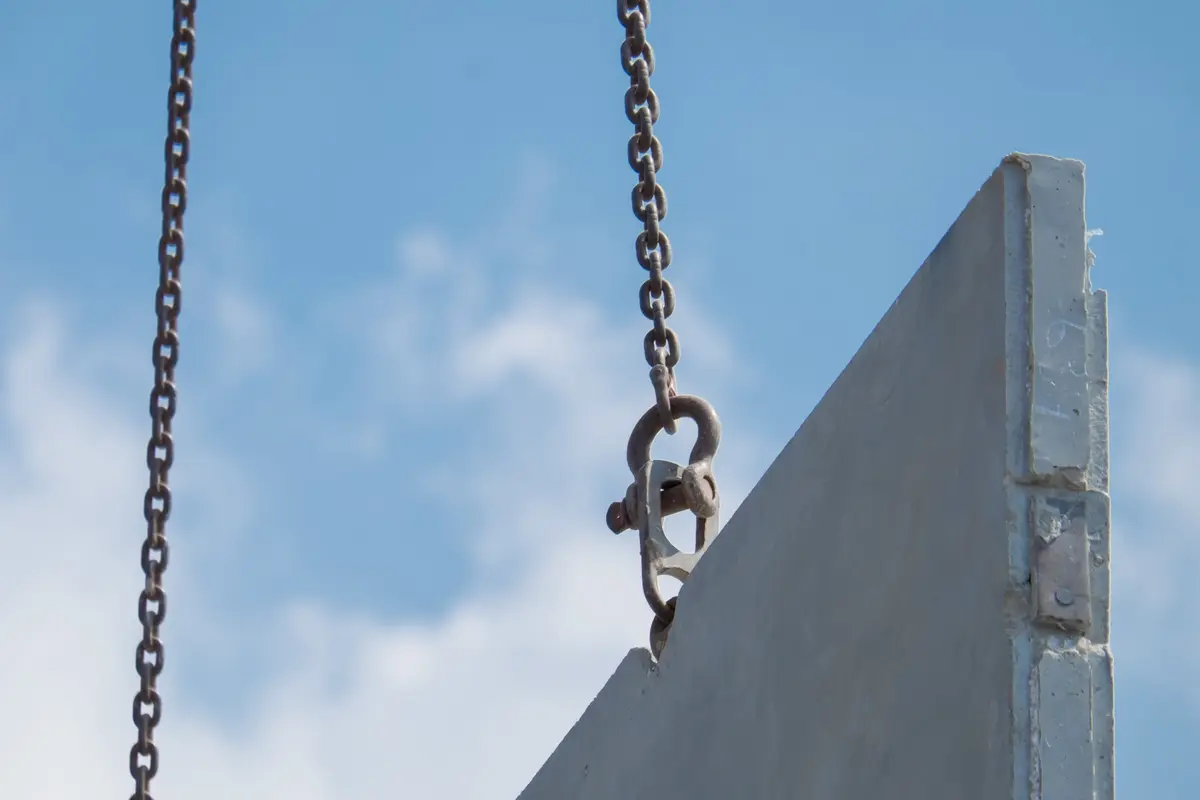
Basic, Standard & Complex Lifts: Categories Explained
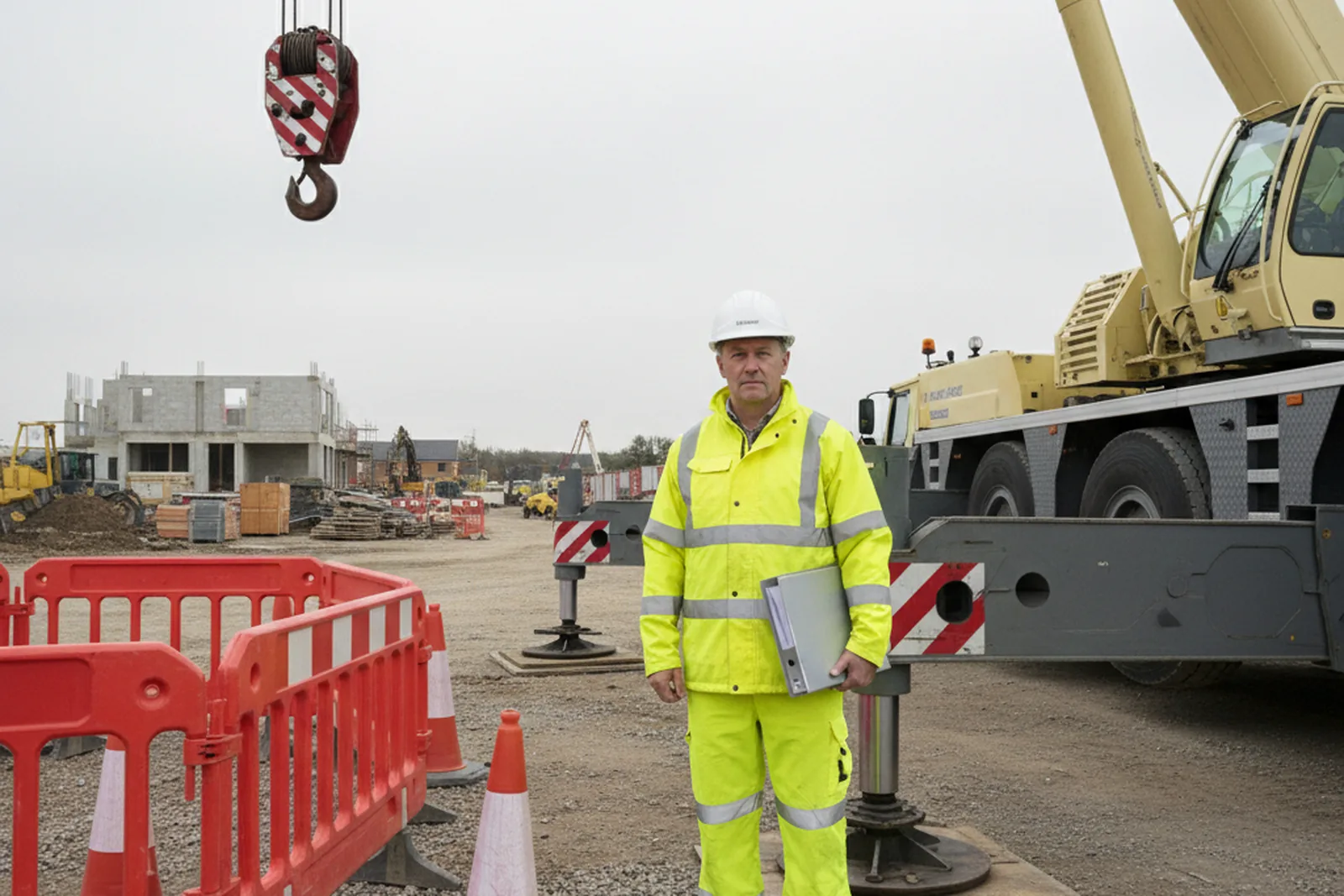
Not every lift carries the same risk, and UK lifting practice reflects that by sorting lifting operations into categories — basic, standard and complex. The category drives how much planning a lift needs, who has to plan it, and how closely it must be supervised. This guide explains what each category means under BS 7121, what makes a lift "complex", what people mean by a "critical lift", and why getting the category right matters before any load leaves the ground.
What are lift categories?
The British Standard for the safe use of cranes, BS 7121, groups lifting operations by complexity so the planning effort matches the risk. The same idea applies to lifting with any equipment, not just cranes: a routine, repetitive pick on firm ground needs far less than a heavy lift over a live road. Importantly, the category is set by the whole operation — the load, the equipment, the site and the surroundings — not by the size of the load alone.
Basic lifts
A basic lift is routine, repetitive and low-risk: a well-matched machine, a known load, firm and level ground, and clear space around the lift. Basic lifts still have to be planned under LOLER — but the plan can be straightforward, and a competent operator working to it may be enough without a separate person supervising every pick.
Standard lifts
A standard lift is the everyday lifting on most sites — more than routine, but within normal practice. It needs a written, site-specific lift plan produced by a competent person, and usually a lift supervisor overseeing the operation on the ground. The great majority of commercial crane and excavator lifts fall here.
Complex lifts — what makes a lift complex?
A lift becomes complex when something about it takes it outside normal, routine practice. Common factors include:
- Two or more cranes sharing one load (a tandem or multiple-crane lift).
- Heavy, large, long or awkward loads, or loads with an uncertain centre of gravity.
- Lifting near or over people, live traffic, railways, or occupied buildings.
- Blind lifts, where the operator cannot see the load or the landing area.
- Lifting people, or lifting close to live electrical or other services.
- Poor or uncertain ground conditions, or restricted access and working space.
A complex lift needs the fullest planning — often a site visit, detailed calculations, and close supervision — and should be planned by an experienced Appointed Person. A modest load can still be a complex lift because of where and how it is being lifted: the site can move a lift up a category on its own.
What is a critical lift?
"Critical lift" is a related term — used widely in industry and on some sites — for a lift where a failure would have serious consequences: high-value or irreplaceable loads, lifts over occupied areas or live plant, or operations where an incident would cause major harm or disruption. In UK practice a critical lift is generally treated as a complex lift and planned to the same high standard. The label matters less than the substance: identify what could go wrong, and plan to control it.
How the category changes the planning required
If you would rather be walked through it than read it, the lift plan decision tool asks the same three questions and gives you the category, with the ten complex-lift triggers set out as you go.
The category is not bureaucracy — it sets the level of competence and detail the law expects. As a lift moves from basic to standard to complex, the plan becomes more detailed, the competence required to produce it rises, and the supervision on site increases. Getting the category wrong in either direction is a problem: under-plan a complex lift and you create real danger; over-plan a basic one and you waste time. A guide on what a crane lift plan must contain shows how the detail scales, and our guide on when you need a lift plan covers the threshold question.
Who decides the lift category?
The competent person planning the operation — normally a CPCS A61 Appointed Person — assesses the load, equipment, site and surroundings and assigns the category, then plans accordingly. That judgement is exactly the competence you are paying for: an experienced Appointed Person spots the factors that quietly turn a "simple" lift into a complex one.
How RMT Solutions can help
RMT Solutions categorises and plans lifting operations of every type as an independent CPCS A61 Appointed Person with 35 years in UK construction. Whether it is a routine pick or a complex multi-crane lift, we produce a plan matched to the actual risk — fixed prices from £200, with a quote inside four working hours. See our lift planning service for details.
Frequently asked questions
What is a complex lift?
A complex lift is a lifting operation that falls outside normal, routine practice — for example a tandem or multiple-crane lift, a heavy or awkward load, a blind lift, lifting over people or live traffic, lifting people, or lifting on poor ground or in restricted space. It needs the fullest planning, often a site visit, and close supervision, and should be planned by an experienced Appointed Person.
What is the difference between a basic, standard and complex lift?
A basic lift is routine, repetitive and low-risk and can be covered by a straightforward plan. A standard lift is everyday site lifting within normal practice and needs a written, site-specific lift plan and usually a lift supervisor. A complex lift falls outside routine practice and needs the fullest planning and supervision. The category is set by the whole operation, not the size of the load alone.
What is a critical lift?
A critical lift is one where a failure would have serious consequences — high-value or irreplaceable loads, lifts over occupied areas or live plant, or operations where an incident would cause major harm or disruption. In UK practice a critical lift is generally treated as a complex lift and planned to the same high standard.
Who decides the lift category?
The competent person planning the operation — normally a CPCS A61 Appointed Person — assesses the load, equipment, site and surroundings, assigns the category, and plans accordingly. Identifying the factors that turn a seemingly simple lift into a complex one is a core part of that competence.
Ricky Marsh
CPCS A61 Appointed Person | NEBOSH National Diploma | CertIOSH | MIIRSM | TIFSM
With 35 years of construction industry experience, Ricky provides expert lift planning and compliance services to contractors across the UK. Specializing in LOLER compliant lift plans, tower crane contracts, and steel erection planning.
Need a lift plan written? Plans from £200, 24-48h turnaround
07803 8080933 fields, 30 seconds. We reply within 4 working hours.