HSE Lifting Plan Requirements: What Inspectors Look For
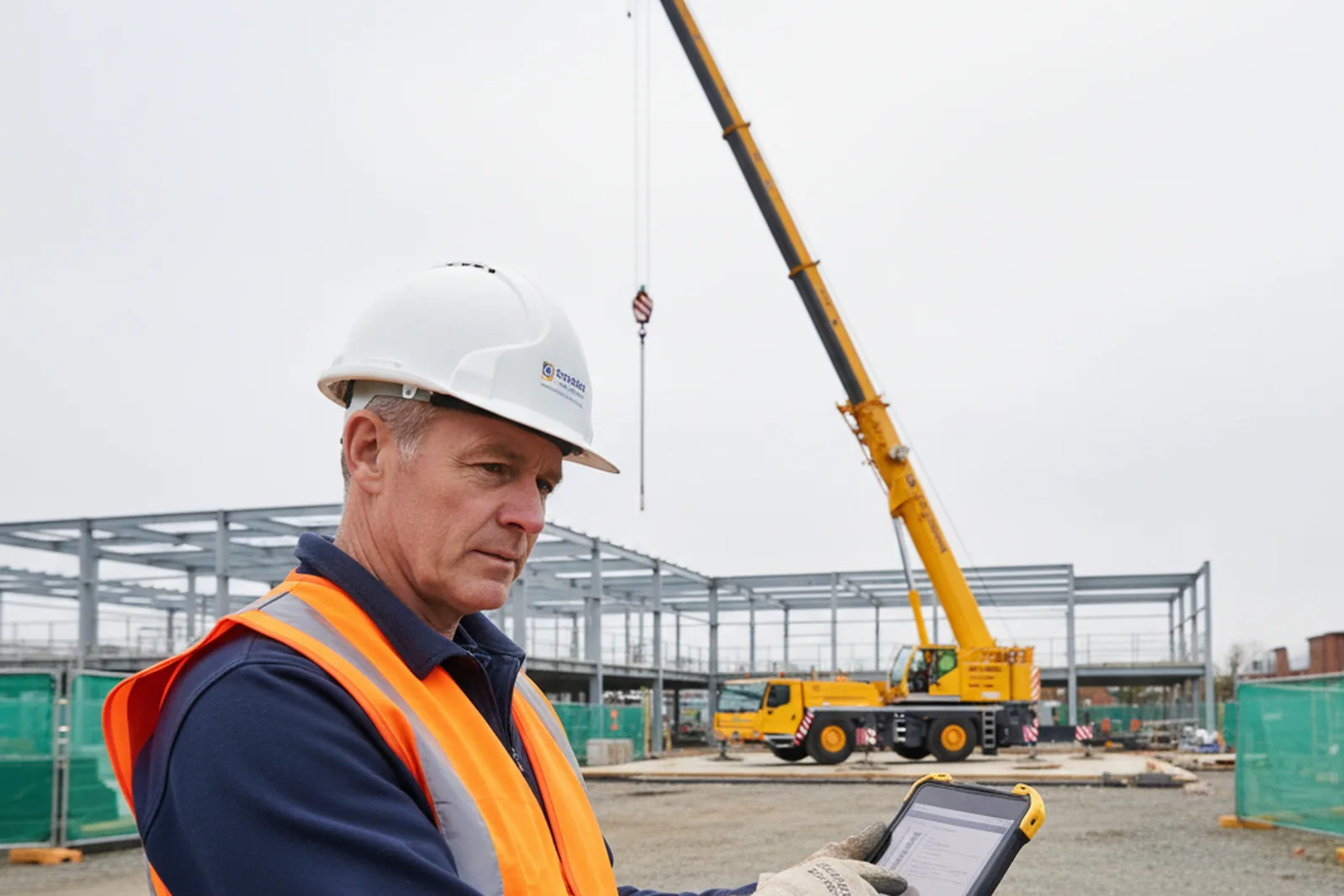
Search "HSE lifting plan" and you might expect to find an official template on hse.gov.uk. There isn't one — and that surprises a lot of site managers. The HSE is the enforcer, not the form-provider: it sets the standard through LOLER 1998 and the L113 Approved Code of Practice, then judges whatever documents you produce against that standard. Having spent 35 years on the other side of that scrutiny, this guide covers what the HSE actually requires, what inspectors look for when they examine a lifting plan, and the failures that turn a site visit into an enforcement notice.
What the HSE Actually Requires
The legal requirement is LOLER 1998 Regulation 8: every lifting operation must be properly planned by a competent person, appropriately supervised, and carried out in a safe manner. The supporting detail sits in the L113 ACOP, which has semi-legal status — depart from it and the burden falls on you to prove your approach was equally effective. Neither document prescribes a form, a layout or a logo. The HSE's question is never "did you use the right template?" — it is "can you demonstrate this lift was competently planned?"
Why There Is No HSE Lifting Plan Template
Deliberately. Lifting operations range from a telehandler moving pallets to a 750-tonne crawler crane over a live railway; one form cannot fit both, and a government-issued template would invite exactly the box-ticking L113 warns against. The recognised industry structure comes instead from BS 7121, and practical working documents from firms like ours — our free lift plan templates follow that structure for telehandlers, excavators, lorry loaders and mobile cranes. A template is a starting structure; the competent person supplies the numbers and the judgement.
What an HSE Inspector Examines
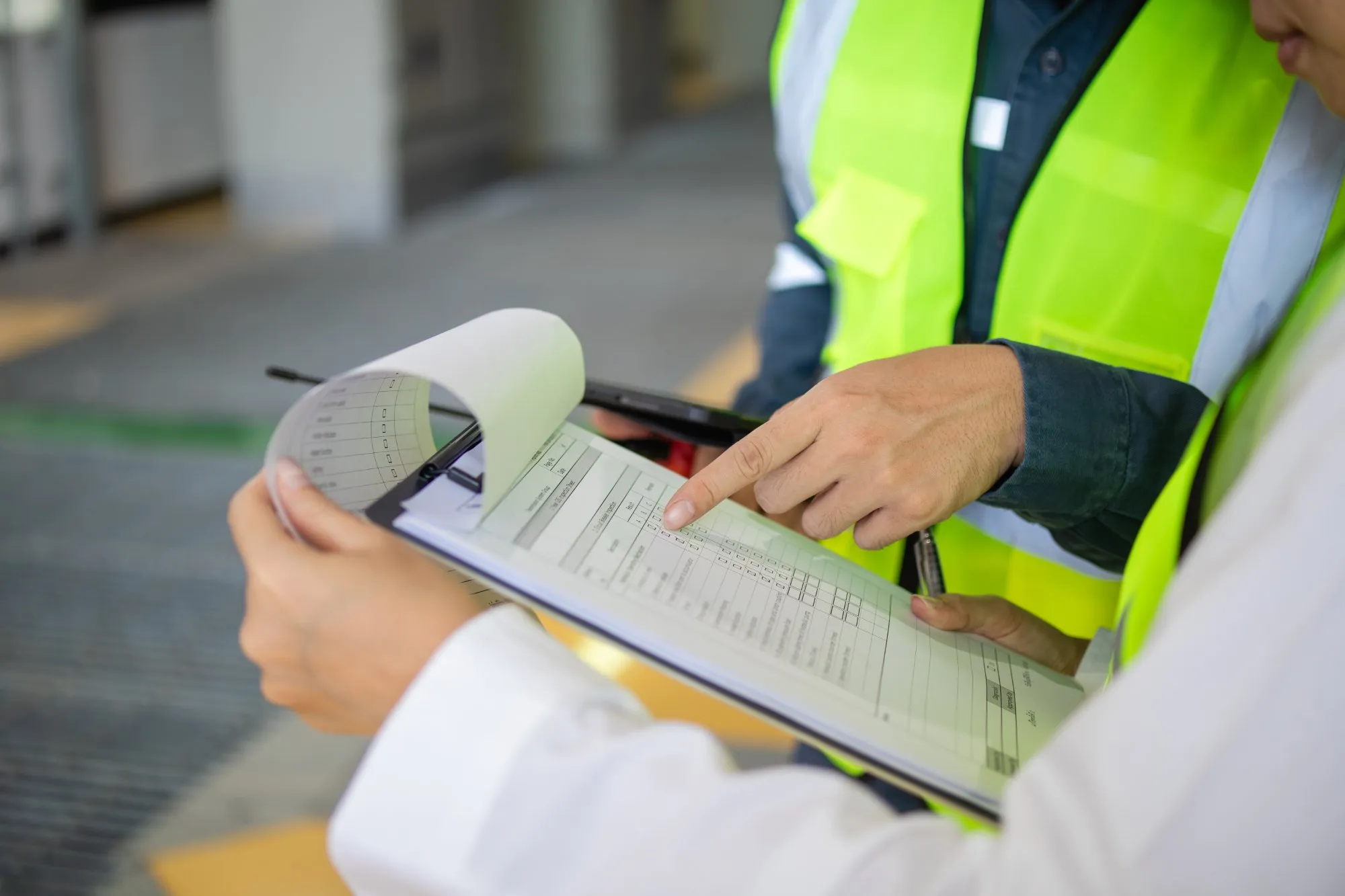
Inspectors see lifting plans in two situations: proactive site inspections and post-incident investigations. In both, they test the same chain of evidence:
- Who planned it? Name, competence and experience of the planner. An Appointed Person with a card level matching the lift category answers this cleanly; "the operator sorted it" does not.
- Was the load actually known? A confirmed weight with a source — drawing, delivery note, weighbridge — not an estimate. Underestimated loads sit behind a large share of lifting incidents.
- Do the numbers stack up? Capacity at the working radius in the machine's real configuration, utilisation percentage, accessory ratings at the sling angles used — the core lifting plan calculations. The rigging line is where plans most often come back: working out what each sling leg is actually carrying is a different sum from dividing the load by the number of legs.
- Was the ground assessed? Outrigger loads against allowable bearing pressure, mats specified, services and voids checked.
- Does the paper match the site? The killer question. A plan describing firm level ground while the crane sits on backfill, or a "10m radius" lift executed at 14m, demonstrates the planning was theatre. Inspectors walk the lift and compare.
- Were the people briefed and supervised? Signed briefing records, a named lift supervisor, and evidence the team could stop the lift if conditions changed.
Where Sites Fail
The recurring failures we see — and that appear throughout HSE enforcement action — are a generic plan doing site-specific work, plans written after the lift to satisfy paperwork, wrong load charts for the machine configuration, nobody on site able to say who the Appointed Person is, and lifts that changed on the day without the plan being reviewed. Every one is discoverable in ten minutes by an inspector, and every one is avoidable for less than the cost of the delay it causes — full breakdown in why lift plans get rejected.
The Cost of Getting It Wrong
LOLER breaches are criminal offences. Enforcement ranges from improvement and prohibition notices (with fee-for-intervention charged at the inspector's hourly rate) to prosecution, where sentencing guidelines link fines to turnover — recent lifting-operation prosecutions have run to six and seven figures. Against that, a professionally written site-specific plan costs from £200. The arithmetic is not close.
Make Your Lifting Plans Inspection-Ready
Site-specific, LOLER-compliant lift plans from £200 in 24–48 hours, written by a CPCS A61 Appointed Person — or an independent audit of your existing arrangements before the HSE or your principal contractor looks first.
Get a Quote TodayFrequently asked questions
Does the HSE have a lifting plan template?
No. The HSE publishes no official lifting plan template — deliberately, because one form cannot fit operations ranging from telehandler pallet moves to complex multi-crane lifts. It enforces the standard instead: LOLER Regulation 8 planning by a competent person, judged against the L113 ACOP. The recognised document structure comes from BS 7121.
What does the HSE require for a lifting plan?
Evidence that the lift was properly planned by a competent person, appropriately supervised, and carried out safely. In practice that means a named competent planner, a confirmed load weight, capacity verified at the working radius in the machine’s real configuration, ground assessment, site-specific hazards addressed, and a briefed, supervised lifting team.
What happens if the HSE finds an inadequate lifting plan?
Options range from improvement and prohibition notices — with fee-for-intervention charged for the inspector’s time — up to criminal prosecution. Sentencing guidelines link fines to company turnover, and lifting-operation prosecutions regularly reach six and seven figures. A prohibition notice also stops the lifting work immediately.
Do HSE inspectors check lifting plans on routine visits?
Yes. Lifting operations are a standing priority on construction inspections. An inspector will typically ask who the Appointed Person is, examine plans for lifts underway, and compare the paperwork with what is actually happening on site — a plan that does not match the real lift is treated as evidence the planning duty was not met.
Ricky Marsh
CPCS A61 Appointed Person | NEBOSH National Diploma | CertIOSH | MIIRSM | TIFSM
With 35 years of construction industry experience, Ricky provides expert lift planning and compliance services to contractors across the UK. Specializing in LOLER compliant lift plans, tower crane contracts, and steel erection planning.
Need a lift plan written? Plans from £200, 24-48h turnaround
07803 8080933 fields, 30 seconds. We reply within 4 working hours.