Generic Lift Plans: When You Can Use One (UK Guide)
"Can we just use a generic lift plan?" It is one of the most common questions subcontractors ask — usually about ten minutes after a principal contractor has rejected the generic plan they submitted. The honest answer is: sometimes, for a narrow band of routine lifting, a generic plan is perfectly acceptable and BS 7121 says as much. But most of the generic plans in circulation on UK sites are being used well outside that band, and they are the single most common reason lifting documents get bounced. This guide sets out exactly where the line is.
What is a Generic Lift Plan?
A generic lift plan is a pre-written planning document that covers a type of lifting operation rather than one specific lift on one specific site. It describes the equipment, method, roles and controls for a routine operation — say, offloading palletised materials with a telehandler — in a way intended to be reused across multiple lifts and, often, multiple sites.
That is fundamentally different from a site-specific lift plan, which addresses a particular load, a particular machine in a particular configuration, and the actual conditions and hazards of the place where the lift happens.
Are Generic Lift Plans Legal?
LOLER 1998 Regulation 8 requires every lifting operation to be properly planned by a competent person. It does not say the plan must be written from scratch every time. BS 7121-1:2016 — the code of practice for the safe use of cranes — explicitly recognises that basic lifts which are routine and repetitive can be covered by a generic plan, provided that:
- The plan was produced by a competent person — normally a CPCS A61 Appointed Person
- It is reviewed before use at each new site or location to confirm the conditions match the plan's assumptions
- The lift genuinely stays within the plan's stated limits — load weight, equipment, radius, ground and environment
- Someone on site has the authority and competence to stop and escalate the moment the lift no longer fits the plan
So a generic plan is not a shortcut around competent planning — it is the output of competent planning for a defined, repeatable operation. The legal duty to plan the lift never goes away; the generic document just discharges it for lifts that truly are identical in character.
When a Generic Lift Plan is Acceptable
In practice, a generic plan is defensible where all of the following hold:
- The lift is basic under the BS 7121 categories — see our guide to basic, standard and complex lifts
- It is genuinely repetitive — same load type, same machine, same method, day after day
- The environment is controlled and consistent — a fixed yard, a workshop, an established laydown area
- Loads are well below capacity at the working radius, with healthy margin
- No site-specific hazards — no overhead lines, no exclusion-zone conflicts, no public interface, no poor ground
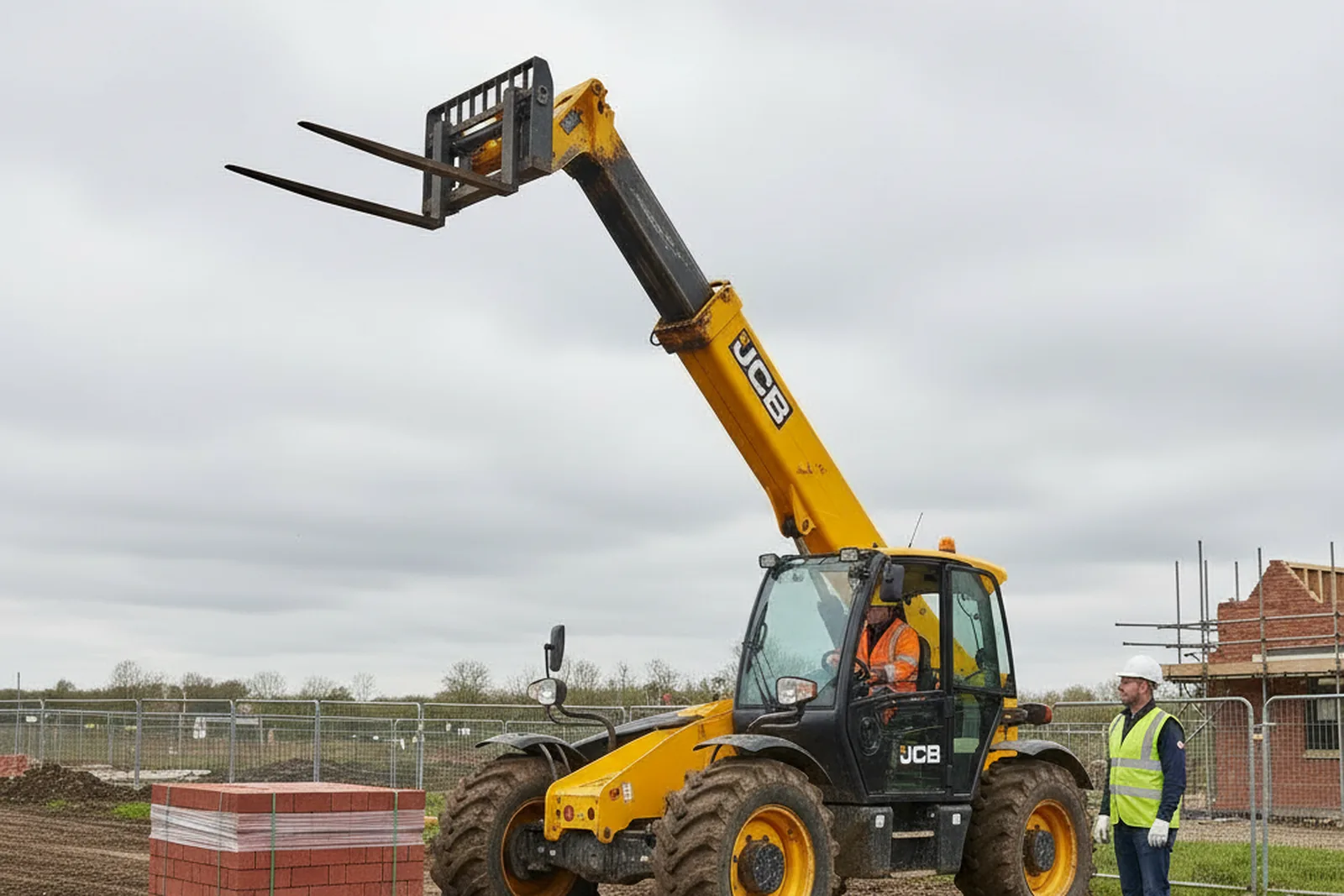
Classic examples: routine pallet and stillage handling in a builder's yard, repetitive telehandler offloading of standard deliveries, or an overhead gantry crane doing the same workshop lift on a fixed path all week.
When You Cannot Use One
A generic plan stops being acceptable the moment anything about the lift becomes site-specific or non-routine. Red lines include:
- Mobile crane operations — ground assessment and configuration are always site-specific
- Lifting near overhead power lines, railways, water, highways or the public
- Loads approaching the machine's capacity at radius, awkward loads, or unknown weights
- Tandem lifts, person lifts, blind lifts or anything categorised as complex
- Ground that has not been assessed — temporary works, backfill, cellars, services
- A principal contractor whose procedures require site-specific plans (most tier 1 contractors do — generic paperwork is a leading rejection reason)
What is a Schedule of Common Lifts?
A schedule of common lifts is the recognised, structured way to run generic planning properly. Instead of one vague catch-all document, the Appointed Person produces a schedule listing each routine lift type the site expects — load, weight range, equipment, accessories, method and limits — supported by a lift plan for each entry. Anything on the schedule can proceed under the standing plan; anything not on it triggers a specific plan before it happens.
This is how tower crane sites manage the daily flow of repetitive lifts, and it is a far more defensible arrangement than a generic plan pulled off the shelf, because the boundary between "planned" and "needs planning" is explicit and written down.
Generic Lift Plan Templates
If what you actually need is a properly structured document to work from, we publish free, professionally structured lift plan templates for telehandlers, excavators, lorry loaders and mobile cranes. A template is a starting structure, not a finished plan — it still needs completing by a competent person with the real numbers for your lift. That distinction is exactly the difference between a template and a generic plan misused.
The Bottom Line
Generic lift plans have a legitimate, narrow role: routine, repetitive, basic lifts in consistent conditions, produced by a competent person and reviewed at every new location. Outside that band, they are a false economy — a rejected plan costs you programme time, and an inadequate one costs far more. If you are not sure which side of the line your operation sits on, that uncertainty is itself the answer: get it planned properly.
Need a Site-Specific Plan — or a Schedule of Common Lifts?
RMT Solutions writes LOLER-compliant lift plans from £200 with 24–48 hour turnaround, and can set up a schedule of common lifts for your site or yard. CPCS A61 Appointed Person, 35 years in UK construction.
Get a Quote TodayFrequently asked questions
Are generic lift plans acceptable?
Only for basic, routine, repetitive lifts in consistent conditions — and even then the plan must be produced by a competent person and reviewed before use at each new site or location. BS 7121-1:2016 recognises generic plans for basic lifts; for standard and complex lifts a site-specific plan is required, and most principal contractors will reject generic paperwork outright.
What is the difference between a generic and a site-specific lift plan?
A generic lift plan covers a type of routine lifting operation intended to be repeated, while a site-specific lift plan addresses one particular lift: the actual load and its confirmed weight, the actual machine and configuration, the capacity at the working radius, and the real ground conditions and hazards of the site on the day.
What is a schedule of common lifts?
A schedule of common lifts is a structured list, produced by an Appointed Person, of the routine lift types a site expects — each with its load range, equipment, method and limits, backed by a lift plan. Lifts on the schedule can proceed under the standing plan; anything outside it needs a specific plan before it takes place.
Do generic lift plans comply with LOLER?
They can, but only within narrow limits. LOLER Regulation 8 requires every lifting operation to be planned by a competent person. A generic plan discharges that duty only where the lift genuinely matches the plan — same operation, equipment and conditions — and the plan has been reviewed for the specific location. Used outside those limits, a generic plan does not demonstrate compliance.
Ricky Marsh
CPCS A61 Appointed Person | NEBOSH National Diploma | CertIOSH | MIIRSM | TIFSM
With 35 years of construction industry experience, Ricky provides expert lift planning and compliance services to contractors across the UK. Specializing in LOLER compliant lift plans, tower crane contracts, and steel erection planning.
Need a lift plan written? Plans from £200, 24-48h turnaround
07803 8080933 fields, 30 seconds. We reply within 4 working hours.