Does an Excavator Need LOLER? Lifting With Excavators
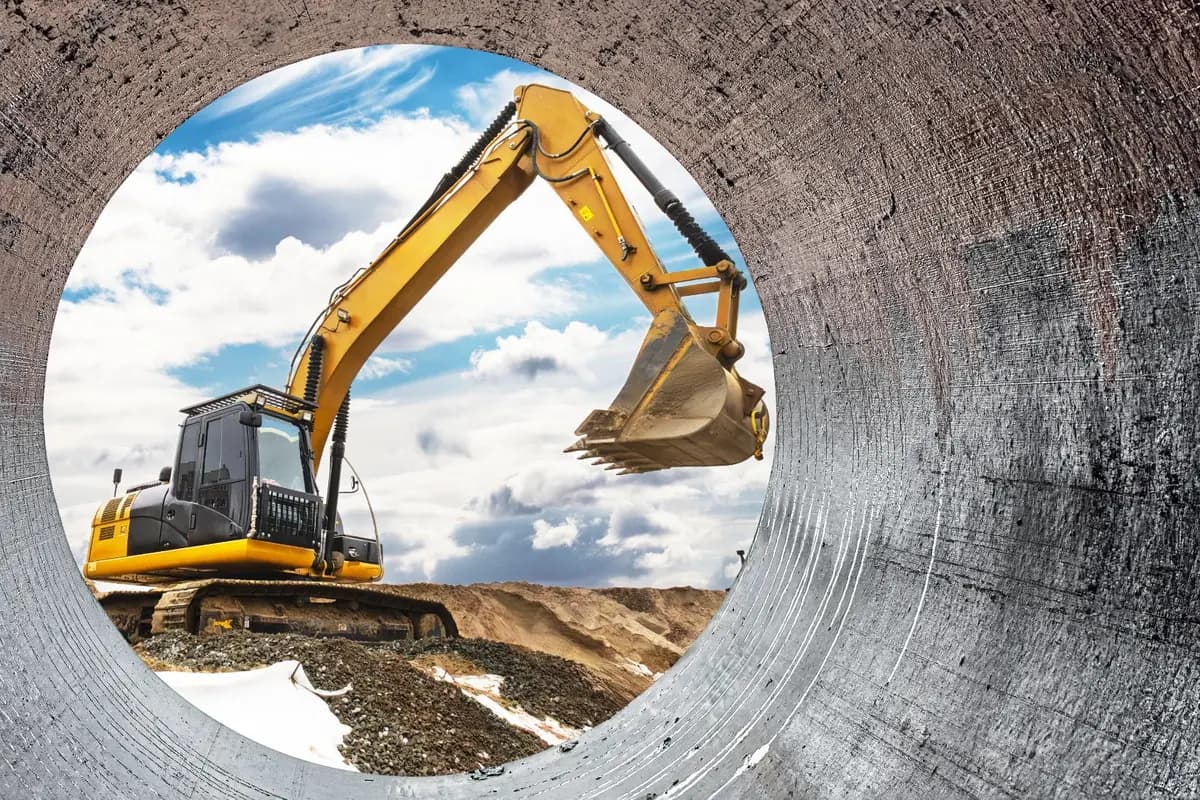
The moment an excavator is used to lift and place a load — a pipe, a manhole ring, a trench box — rather than just dig, it becomes lifting equipment in the eyes of the law, and the Lifting Operations and Lifting Equipment Regulations 1998 (LOLER) apply in full. That has real consequences for the machine, the paperwork and the planning. This guide explains when LOLER applies to an excavator, what the machine must have fitted to lift legally, what the CPA guidance says, and why you still need a lift plan and an Appointed Person.
Can you legally use an excavator to lift?
Yes — provided the machine is suitable and equipped for it, and the operation is properly planned. Using a 360° excavator to handle objects is an established and accepted practice in UK construction, from pipe laying and drainage to handling precast units. But "object handling" is a different duty from excavating, and the law treats it differently. As soon as the excavator lifts a load using a chain, sling or lifting attachment, it is being used as lifting equipment and must meet the same legal standard as a crane doing the same job.
Does an excavator need a LOLER thorough examination?
Yes. Any excavator used for lifting operations is lifting equipment under LOLER 1998 and must have a thorough examination by a competent person — generally at least every 12 months for lifting loads (more frequently if there is reason to, and the report kept available). The lifting accessories used with it — chains, slings, shackles, lifting eyes — must also be examined and certified. A machine that only ever digs does not need a LOLER thorough examination; the moment it is used to lift, it does.
What must an excavator have fitted to lift objects?
To lift objects safely and legally, an excavator generally needs to be set up for "object handling" rather than bare digging. In practice that means:
- A dedicated lifting point — a certified lifting eye or shackle point, not the bucket teeth or a chain slung over the linkage.
- Check valves (hose-burst protection) on the boom and dipper rams, so the load is held safely if a hydraulic hose fails.
- An overload warning device / Rated Capacity Indicator (RCI) that alerts the operator before the safe object-handling capacity is exceeded. Our excavator RCI guide and excavator safety devices pages explain these in detail.
- An object-handling rating chart for the machine, so capacity can be checked at the actual radius — the lifting figures are well below the digging forces the machine can exert.
These requirements flow from LOLER, PUWER and the earth-moving machinery standard BS EN 474. A machine without them should not be used for lifting.
The CPA guidance on lifting with excavators
The Construction Plant-hire Association (CPA) publishes recognised industry guidance on the use of 360° excavators as cranes (often searched for as "CPA lifting with excavators"). It sets out the machine requirements, the competence of the people involved, and the planning expected for object-handling operations. It is the document most principal contractors will expect your lifting arrangements to be consistent with, alongside LOLER and the general lifting standard BS 7121 where relevant.
Do you still need a lift plan and an Appointed Person?
Yes. LOLER Regulation 8 requires every lifting operation to be planned by a competent person, regardless of whether the machine is a crane or an excavator. So an excavator lift needs a lift plan just as a crane lift does, and for anything beyond the most routine handling that planning is normally done by a CPCS A61 Appointed Person. The plan addresses the load, the machine's object-handling capacity at the working radius, the lifting accessories, the ground, the exclusion zones and the roles on site. Our complete guide to excavator lift plans walks through exactly what one should contain, and you can download an excavator lift plan template to see the structure.
Why a 360 excavator is not a crane
An excavator can lift, but it is not a crane, and its object-handling capacity is far lower than its digging capability suggests. Capacity must be read from the machine's object-handling chart at the actual radius and slew position — never assumed from the size of the machine. Stability, ground bearing and the position of the load relative to the tracks all matter, which is why the lift has to be planned rather than judged by eye. Treating a big excavator as if it were a big crane is one of the most common and most dangerous mistakes in site lifting.
How RMT Solutions can help
RMT Solutions writes site-specific excavator lift plans and provides independent Appointed Person cover as a CPCS A61 Appointed Person with 35 years in UK construction. We confirm the machine is correctly equipped for object handling, check the capacity against the object-handling chart, and produce a plan your principal contractor will accept — fixed prices from £200, with a quote inside four working hours. See our excavator lift plan service for details.
Frequently asked questions
Does an excavator need a LOLER thorough examination?
Yes, if it is used for lifting. An excavator used to lift and place loads is lifting equipment under LOLER 1998 and must have a thorough examination by a competent person, generally at least every 12 months, with the lifting accessories examined and certified too. An excavator that only digs does not need a LOLER thorough examination.
Can you legally use an excavator to lift objects?
Yes, provided the machine is set up for object handling and the lift is properly planned. It needs a dedicated lifting point, hose-burst check valves on the boom and dipper rams, an overload warning device or RCI, and an object-handling rating chart. Lifting from the bucket or an unrated point is not acceptable.
What is the CPA guidance on lifting with excavators?
The Construction Plant-hire Association publishes recognised industry guidance on using 360-degree excavators as cranes, covering the machine requirements, the competence of the people involved, and the planning expected for object-handling operations. Most principal contractors expect excavator lifting arrangements to be consistent with it, alongside LOLER 1998.
Do you need a lift plan to lift with an excavator?
Yes. LOLER Regulation 8 requires every lifting operation to be planned by a competent person, whether the machine is a crane or an excavator. For anything beyond the most routine handling the plan is normally produced by a CPCS A61 Appointed Person, covering the load, the object-handling capacity at the working radius, the accessories, the ground and the roles on site.
Ricky Marsh
CPCS A61 Appointed Person | NEBOSH National Diploma | CertIOSH | MIIRSM | TIFSM
With 35 years of construction industry experience, Ricky provides expert lift planning and compliance services to contractors across the UK. Specializing in LOLER compliant lift plans, tower crane contracts, and steel erection planning.
Need a lift plan written? Plans from £200, 24-48h turnaround
07803 8080933 fields, 30 seconds. We reply within 4 working hours.