Lifting People With Cranes: Man Basket Rules (UK)

Lifting people is the one corner of UK lifting law where the default answer is no. LOLER 1998 permits carrying people on equipment designed for lifting loads only where using safer, purpose-designed access — a MEWP, a scaffold, a hoist — is not practicable. Get that judgement wrong and everything downstream is non-compliant, however good the basket. This guide covers when man baskets are legitimate, the equipment and examination rules that change the moment people are on the hook, and what the lift plan must add.
The Legal Starting Point
LOLER Regulation 5 deals specifically with lifting persons. Equipment used to lift people must prevent them being crushed, trapped, struck or falling; a carrier must be used that is designed for the purpose; and — via the L113 ACOP — carrying people on equipment primarily designed for lifting loads is acceptable only in exceptional circumstances, where purpose-built access equipment is impracticable and the risk assessment supports it. "The MEWP costs more" is not impracticable; "no MEWP can reach over the live railway from the only available standing" may be.
When a Man Basket is Legitimate
- No practicable alternative — documented consideration of MEWPs, scaffolds, hoists and rope access first. This reasoning belongs in the lift plan, because it is the first thing an inspector asks for.
- A purpose-designed, rated carrier — a manufactured man-riding basket with its own SWL, marking and documentation. A materials skip with a scaffold board across it has put people in prison.
- A machine authorised for man-riding — the crane or telehandler manufacturer's documentation must permit personnel lifting, with the duty typically de-rated (commonly to 50% of chart capacity for cranes on man-riding duties) and specific configuration requirements applied.
- Enhanced controls in place — harnesses secured to designated anchor points inside the basket, continuous communication, hoist restraint/free-fall protection, and a rescue plan that works if the machine fails with people in the air.
The Examination Clock Changes
The moment equipment lifts people, its statutory thorough examination interval halves: every 6 months rather than every 12, for the machine and the carrier alike — the same interval as lifting accessories, covered in full in our thorough examination guide. A crane with a current 12-month report is not compliant for man-riding if that report is more than 6 months old.
What the Lift Plan Must Add
Personnel lifting is always treated as a complex lift, planned by an experienced Appointed Person. On top of the standard contents of a lift plan, expect: the impracticability justification; the basket's documentation and attachment method; the de-rated capacity check; trial lift and function checks before anyone boards; communication and emergency-lowering arrangements; the rescue plan; tightened wind limits; and named, briefed personnel only.
Telehandlers and Excavators
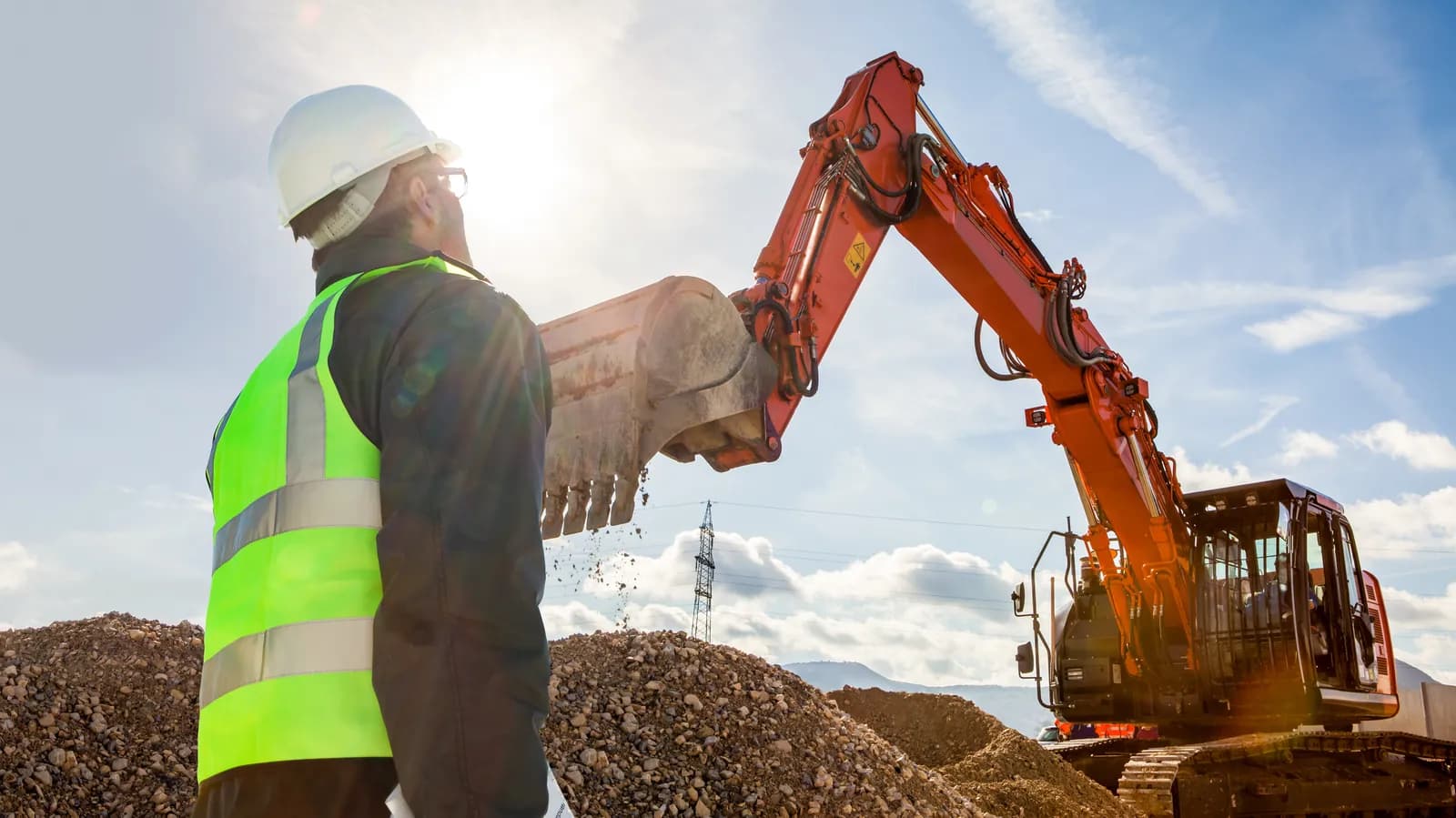
The same logic applies with extra caution. Telehandler man-riding requires an integrated or manufacturer-approved platform with the correct load chart — a pallet of people on the forks is never lawful. Excavators are not personnel-lifting machines in normal circumstances at all: object-handling duties under LOLER excavator rules do not extend to people.
Planning a Personnel Lift?
Man-riding operations are complex lifts with no margin for guesswork. A CPCS A61 Appointed Person with 35 years on UK sites will plan it properly — justification, de-rating, rescue plan and all.
Get in Touch TodayFrequently asked questions
Is it legal to lift people with a crane in the UK?
Only in exceptional circumstances. LOLER 1998 and the L113 ACOP permit carrying people on equipment designed for lifting loads only where purpose-designed access — a MEWP, scaffold, hoist or rope access — is not practicable, the risk assessment supports it, a purpose-designed man-riding carrier is used, and the machine is authorised and configured for personnel lifting.
How often does a man basket need a thorough examination?
Every 6 months — the interval for any lifting equipment used to lift people, which also applies to the crane or telehandler doing the man-riding. A machine carrying a 12-month report older than 6 months is not compliant for personnel lifting even though it remains compliant for ordinary load lifting.
Can you lift people with a telehandler?
Only using an integrated or manufacturer-approved personnel platform, with the manufacturer’s authorisation, the correct load chart for the platform, and the full LOLER Regulation 5 controls — and only where safer access is impracticable. Carrying anyone on the forks, on a pallet or in a materials cage is never lawful.
Does a man-riding lift need a special lift plan?
Yes. Personnel lifting is always treated as a complex lift planned by an experienced Appointed Person. Beyond the standard contents, the plan must record why safer access was impracticable, the carrier’s documentation, the de-rated capacity check, trial lift arrangements, communication and emergency-lowering procedures, a workable rescue plan and tightened weather limits.
Ricky Marsh
CPCS A61 Appointed Person | NEBOSH National Diploma | CertIOSH | MIIRSM | TIFSM
With 35 years of construction industry experience, Ricky provides expert lift planning and compliance services to contractors across the UK. Specializing in LOLER compliant lift plans, tower crane contracts, and steel erection planning.
Need a lift plan written? Plans from £200, 24-48h turnaround
07803 8080933 fields, 30 seconds. We reply within 4 working hours.